

I. COMMUNITY RESEARCH
II. PARTICIPATORY FILMING
III. INVOLVING YOUNG PEOPLE IS COMMUNITY RESEARCH
pedagogical and methodological framework

4 parallel participatory studies on sustainable food consumption:

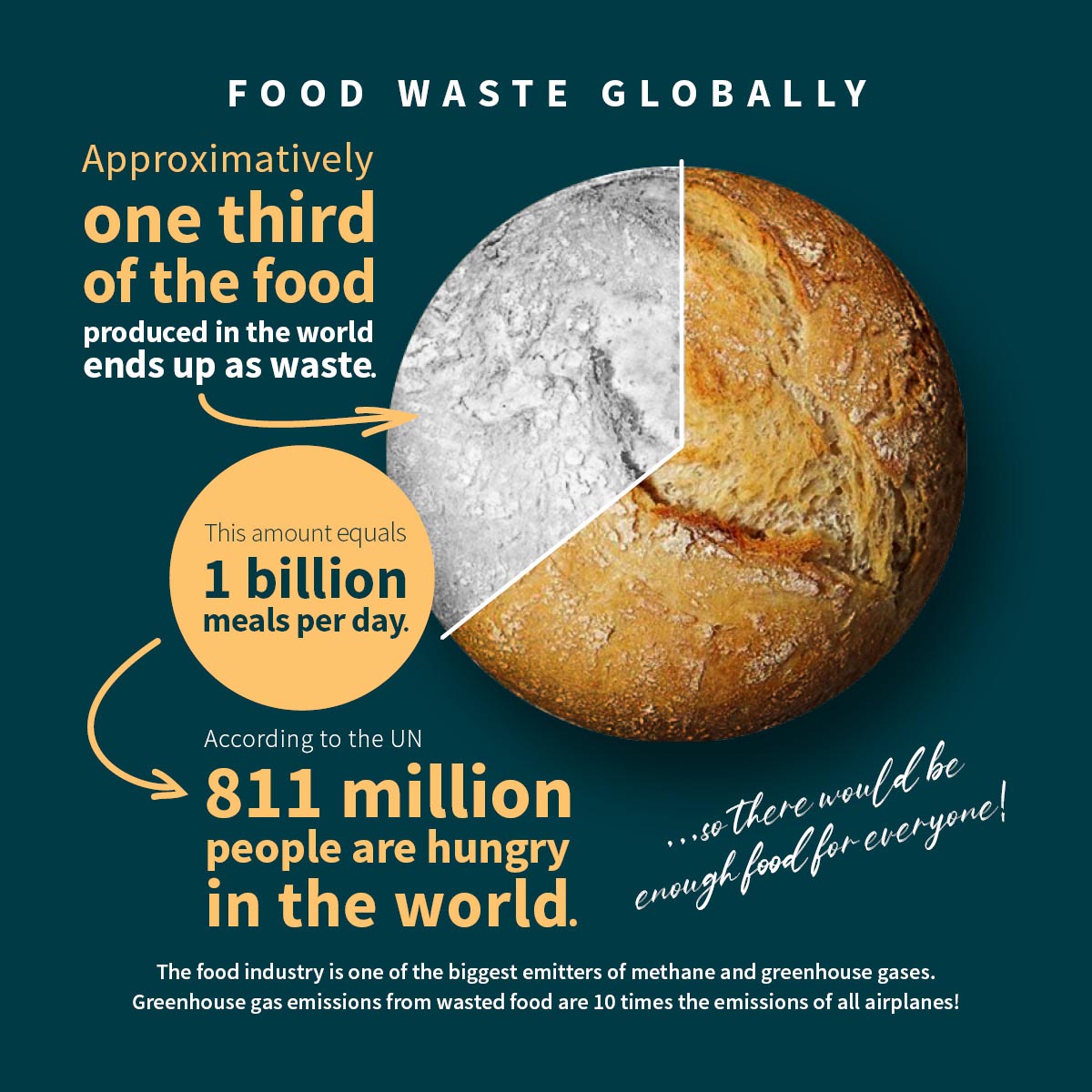
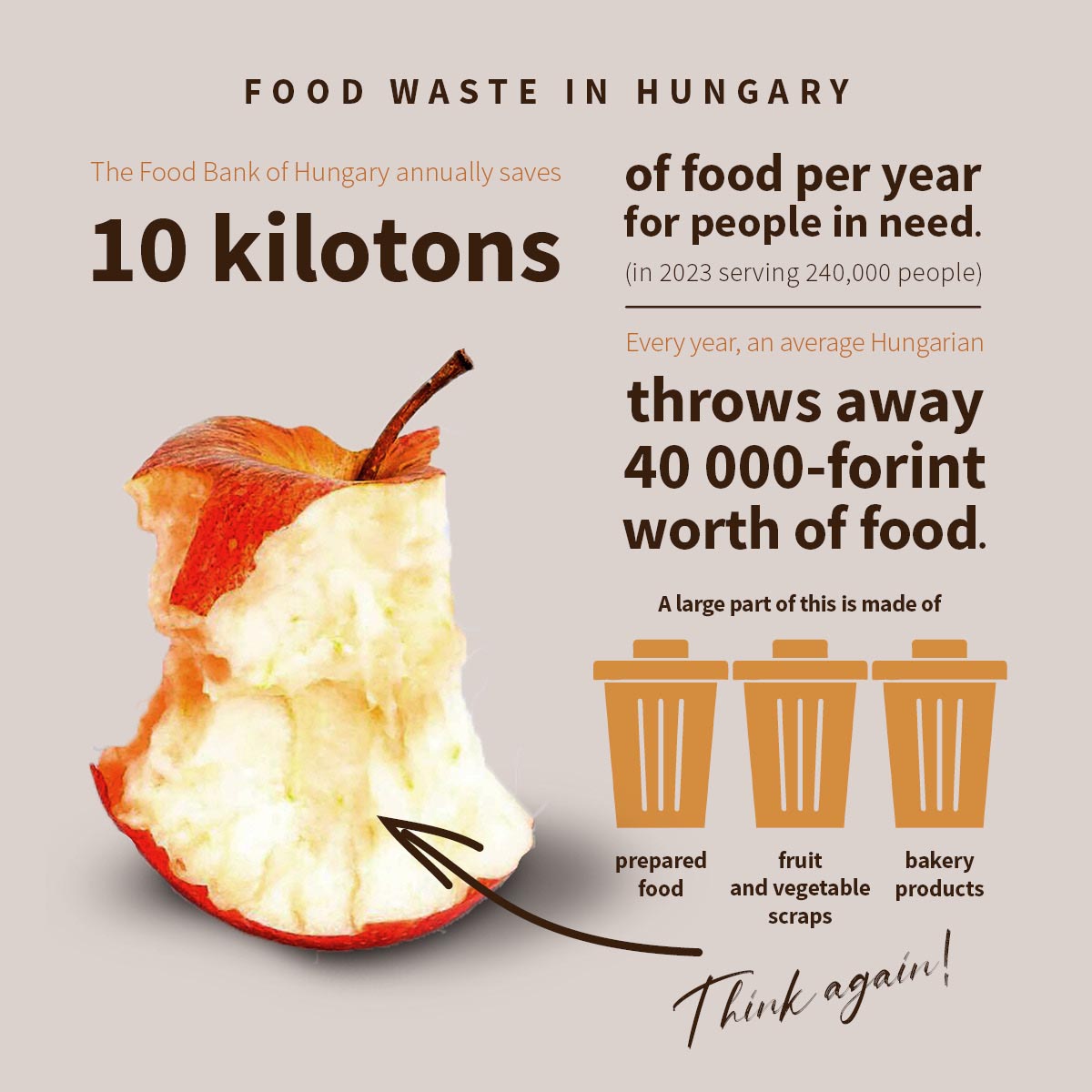
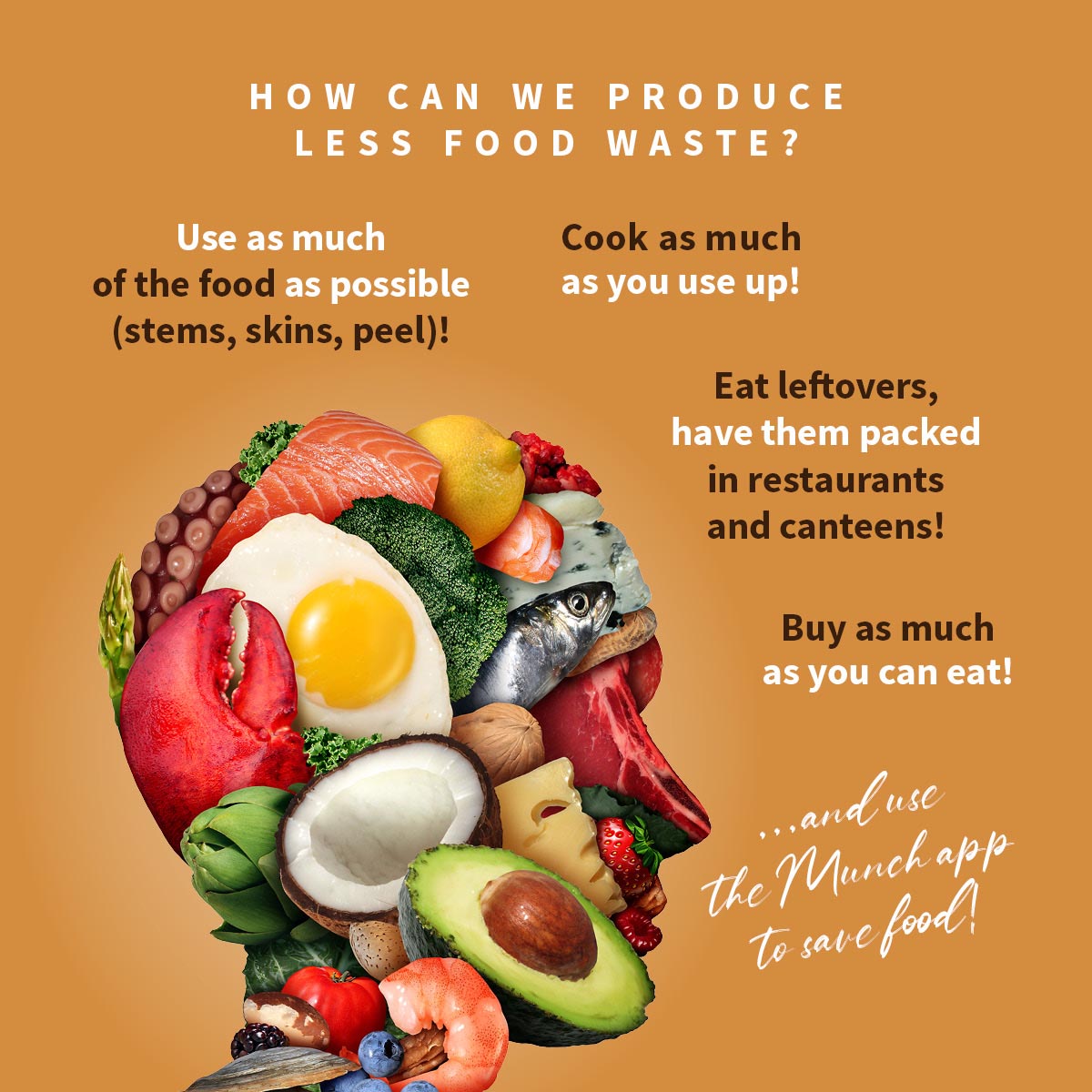
"During the research, we identified and tried to map some local good practices in Debrecen related to sustainable food consumption and production. We studied the local operation of the Hungarian Food Bank Association. Later, we conducted a video survey on food consumption, awareness and attitudes towards food waste among the people of Debrecen, using interview methods and participant observation among local residents. Participants were also introduced to munch.hu, an app and website developed by young Hungarians. They also included a presentation of this in a video they made, testing the app as an action against food waste for the sake of the video."
The Association of Alternative Communities (AKE) is a Debrecen-based organisation founded in 1998. Our direct activities are primarily aimed at young people belonging to subcultures, but we support anyone who is outside the social framework or has difficulty moving between them. Our aim is to reintegrate alternative-minded citizens of Debrecen into society, while enabling them to pursue activities that are in line with their own values.
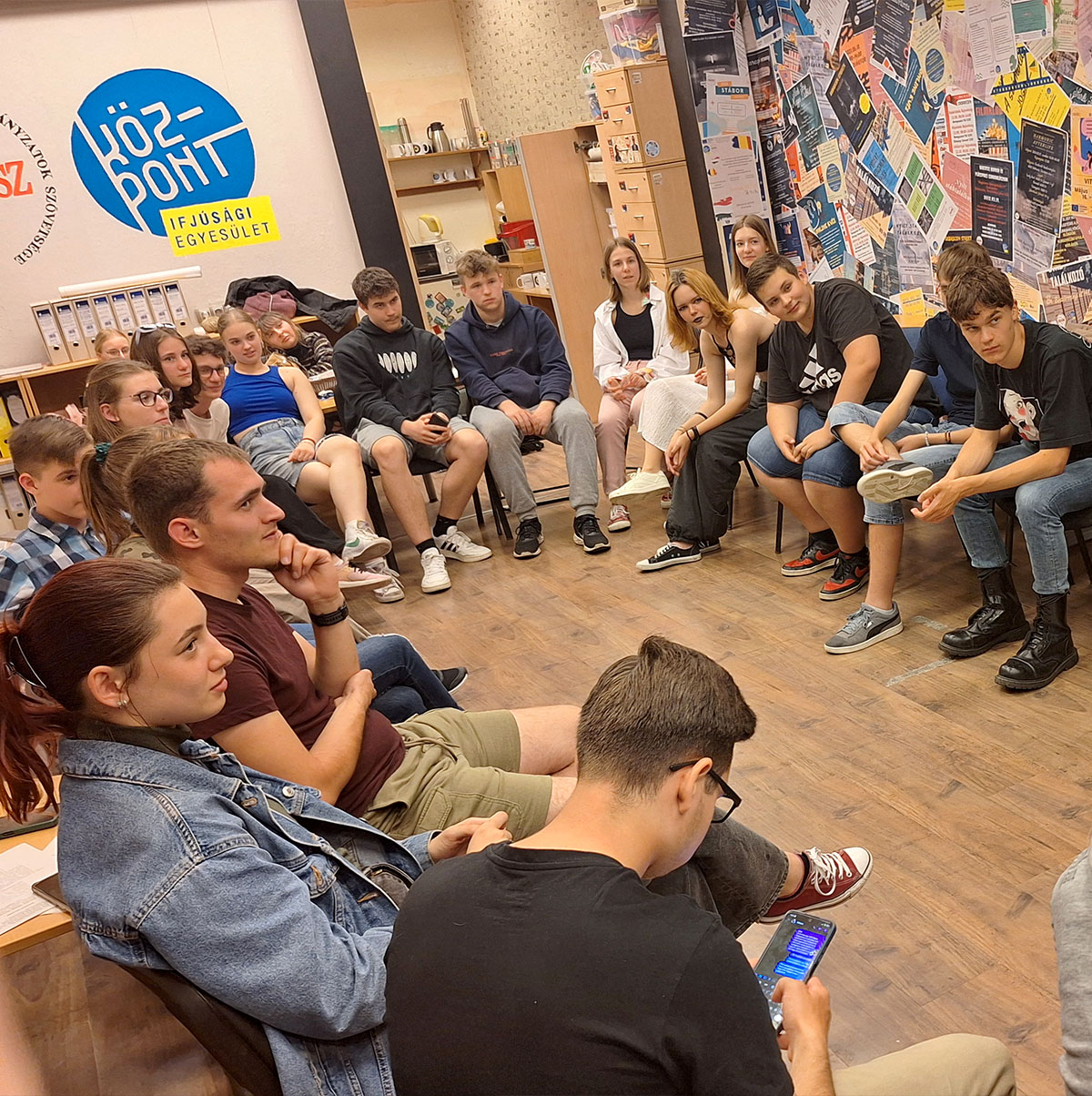
The KÖZ-Pont Youth Association has been operating since 2001 and is one of the leading youth associations in Hungarian civil society. It also operates youth offices in 5 cities and is the coordinator of the Anna Lindh Foundation's network in Hungary. Through volunteering, it provides space and opportunities for young people to develop themselves and their communities, based on the values of cooperation, trust and responsibility.

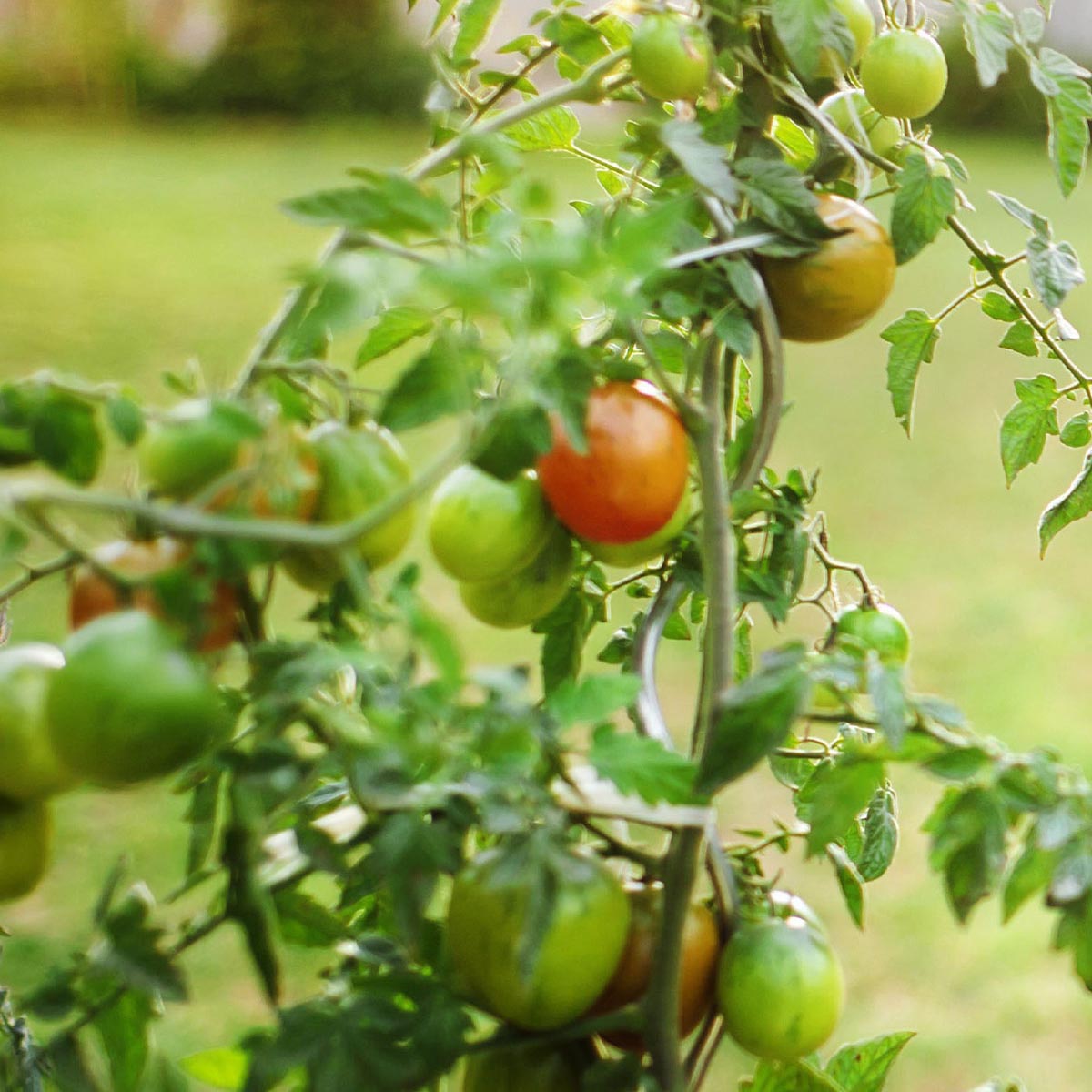
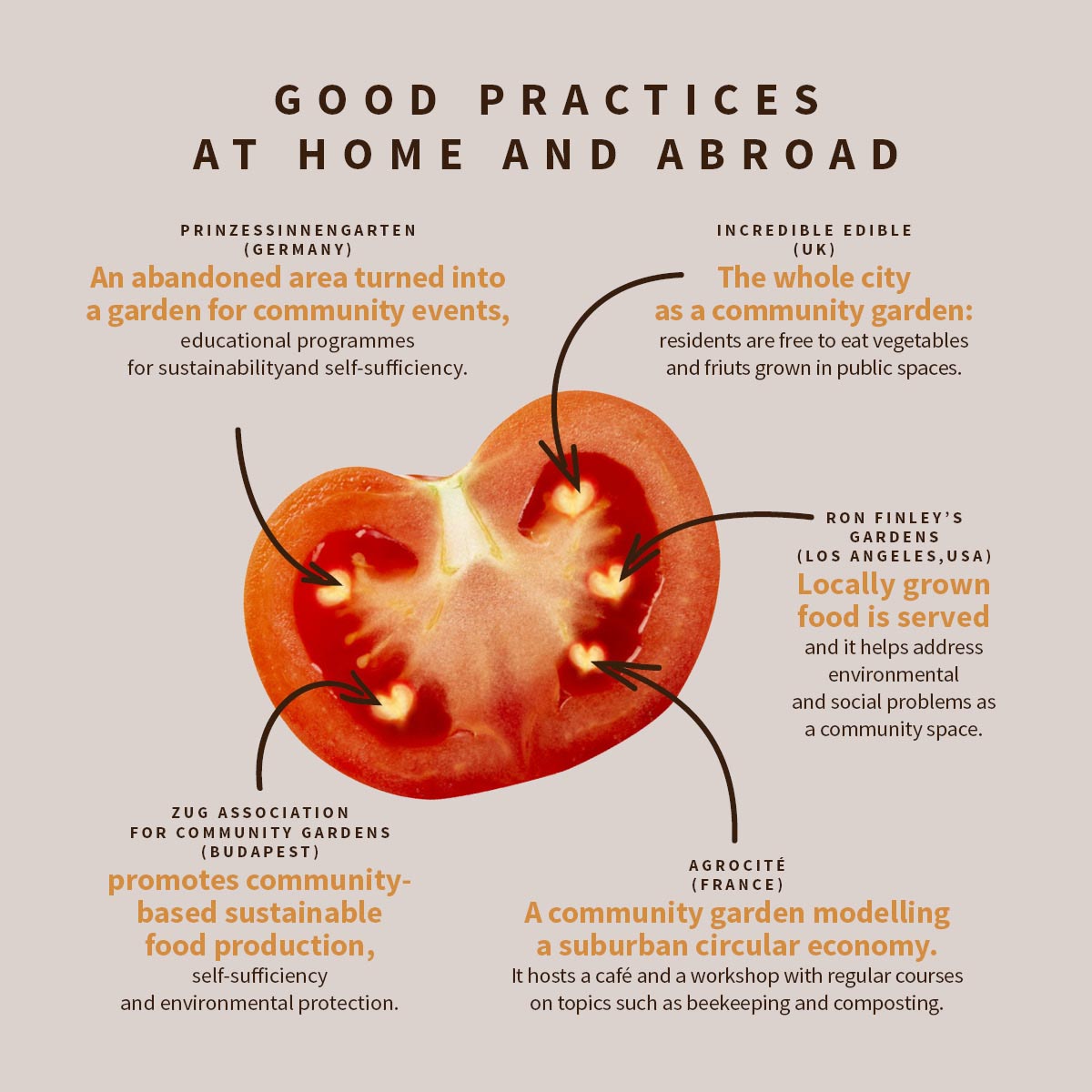
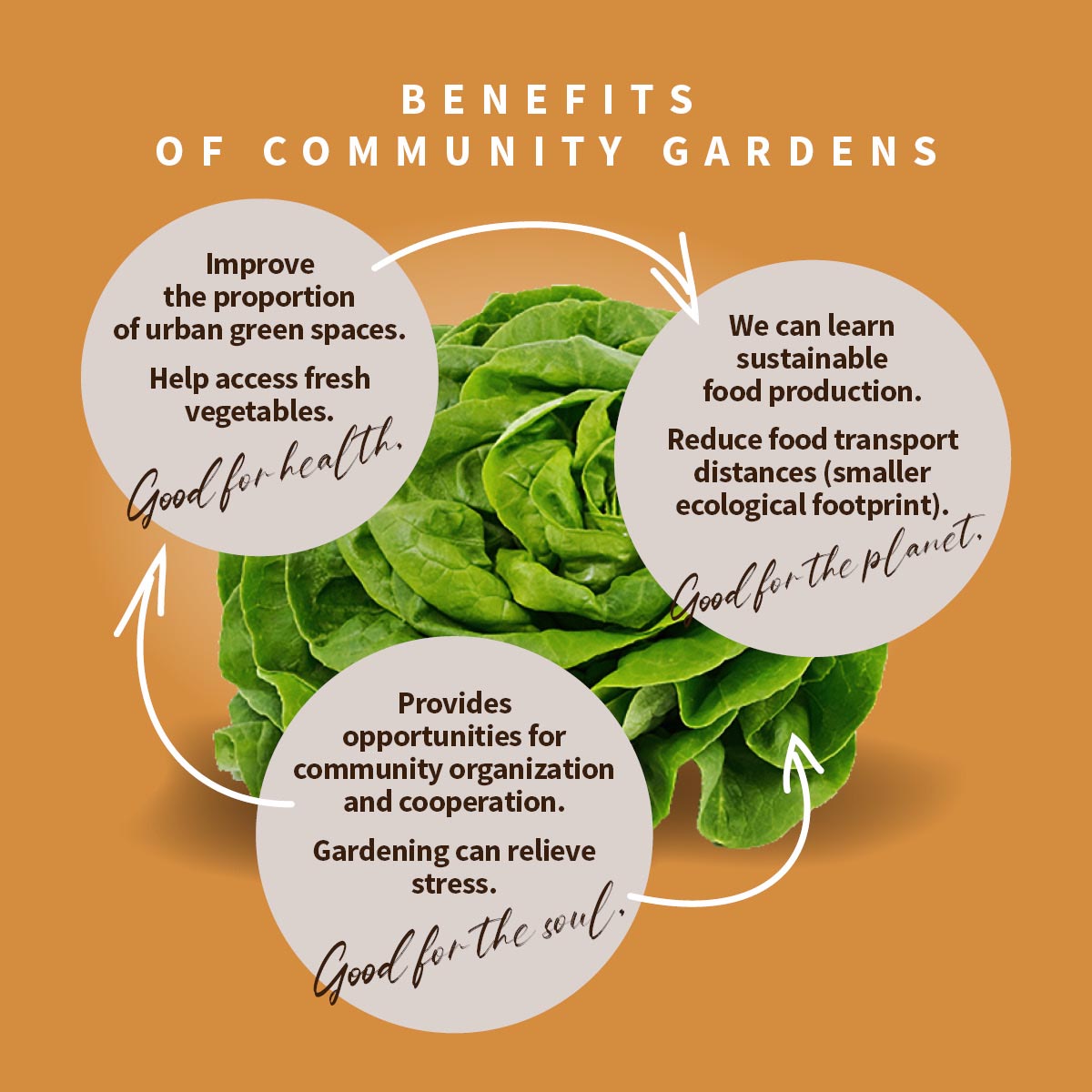
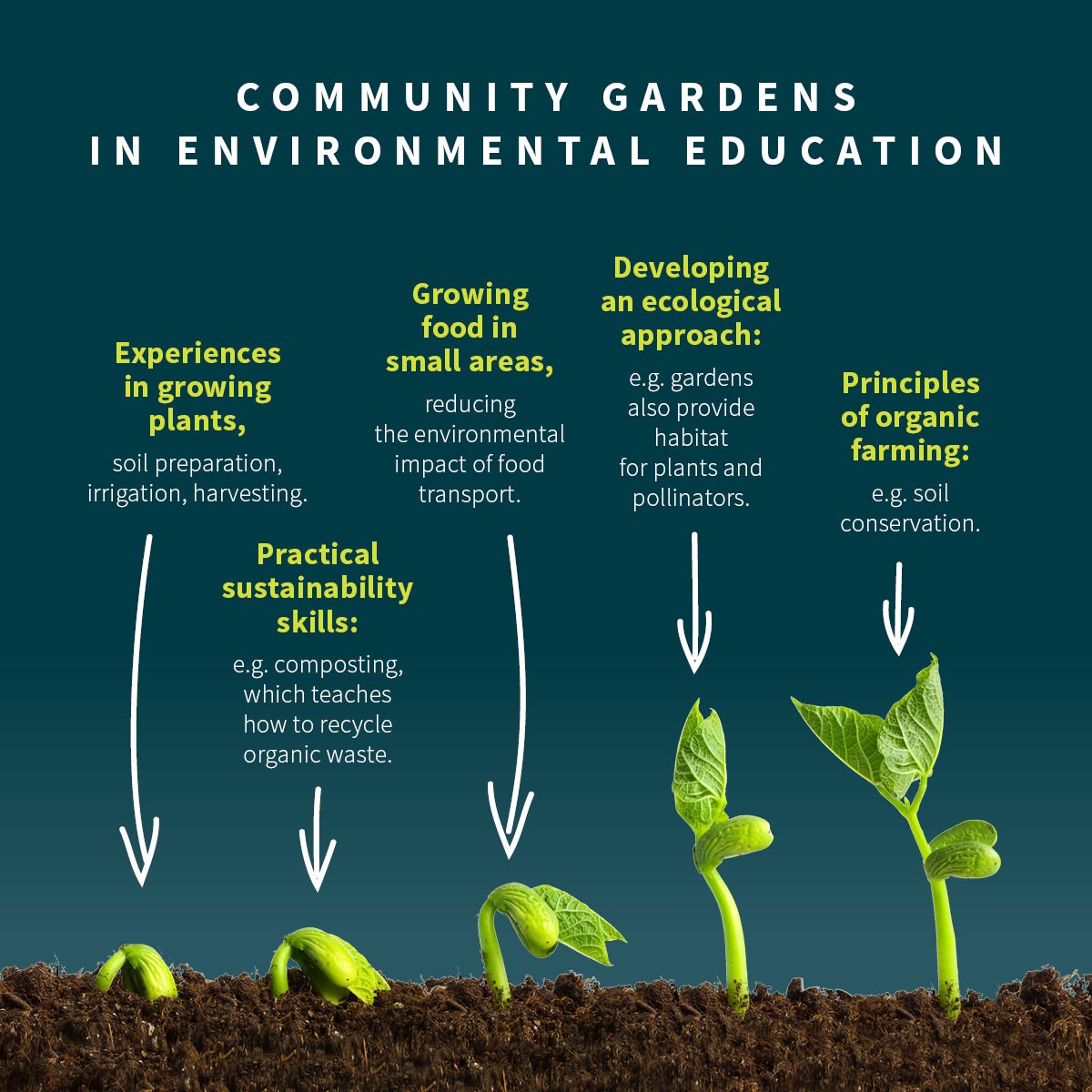
"After two meetings with the group, we came up with the idea of community gardens in our research. We realised that there is already a lot of information available about the environmental impacts of food transport, but most people either ignore it or just share it on social media without really doing anything to reduce it. So we thought, why not make a video about something people can actually do to reduce pollution? That's how we came up with community gardens - it's an opportunity for everyone to get involved and make a difference."
MIRA is an intercultural community of the Artemisszio Foundation, created in 2016 to help immigrants and refugees living in Hungary and each other to build a stronger, more cohesive society, a world with more happiness and contentment, a world where it is good to live. Since 2018 we have a community house called Mira House to provide a space for migrants and locals to meet and learn from each other. Since June 2023, Mira House has been relocated in the 8th district of Budapest, in Lujza Street, in Józsefváros.

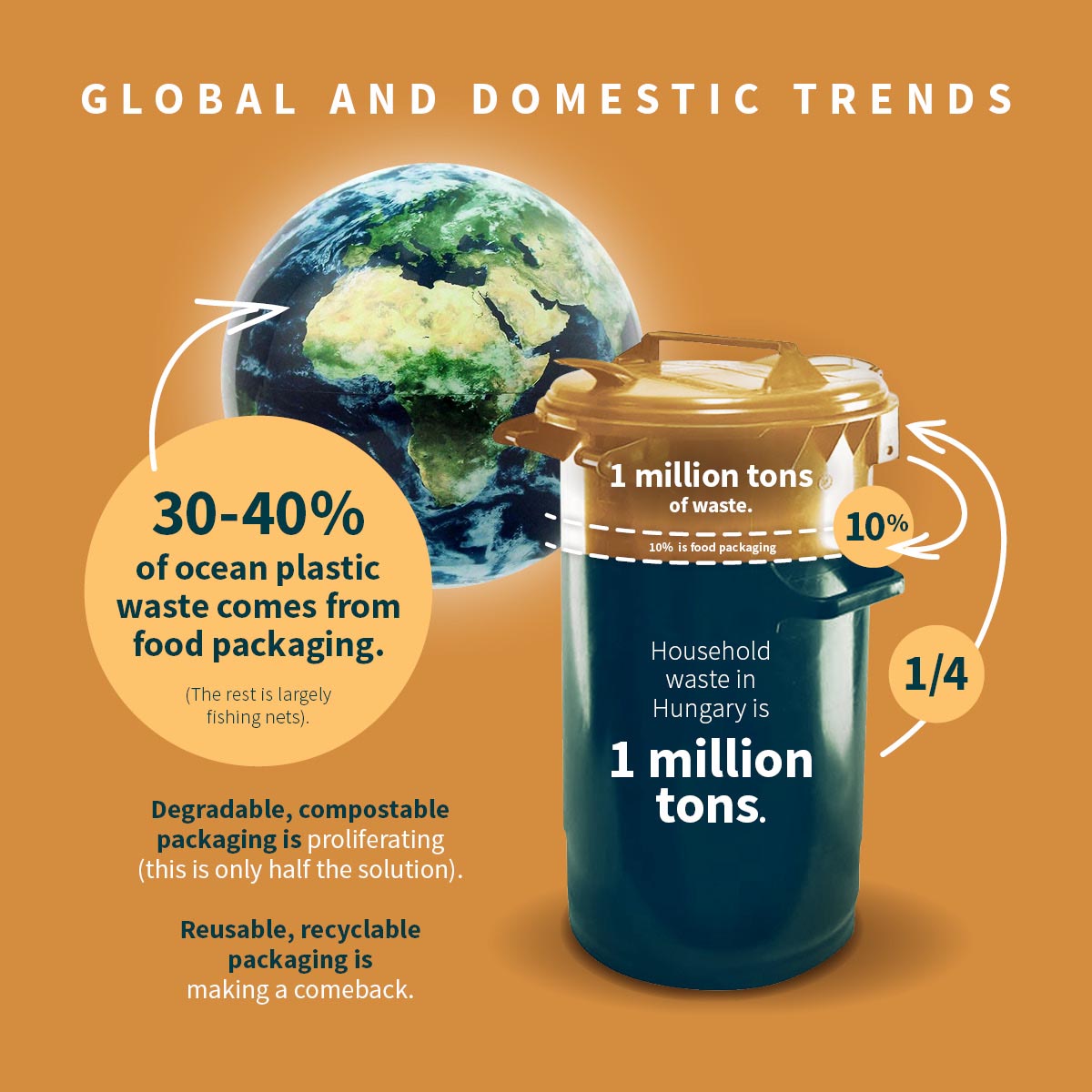
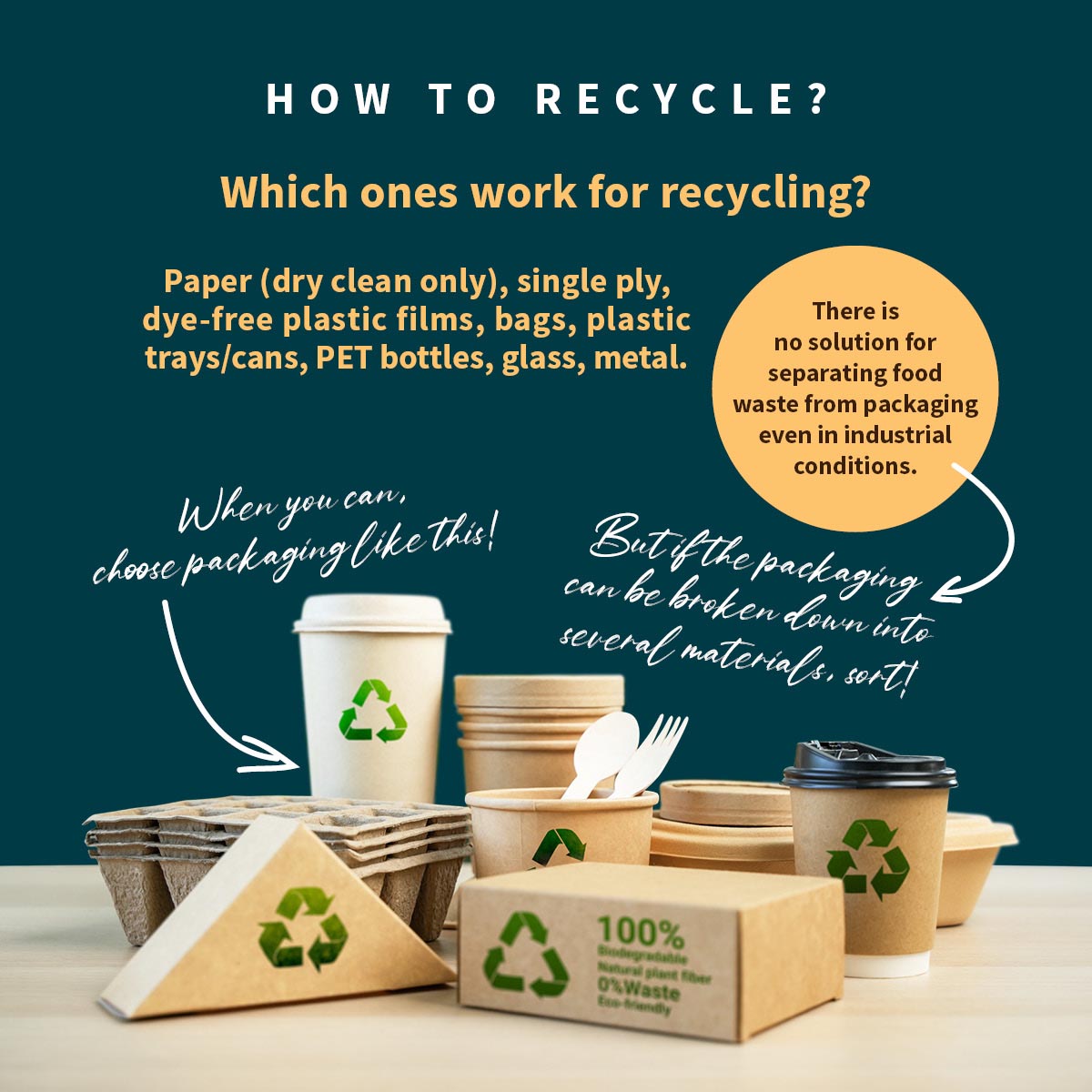
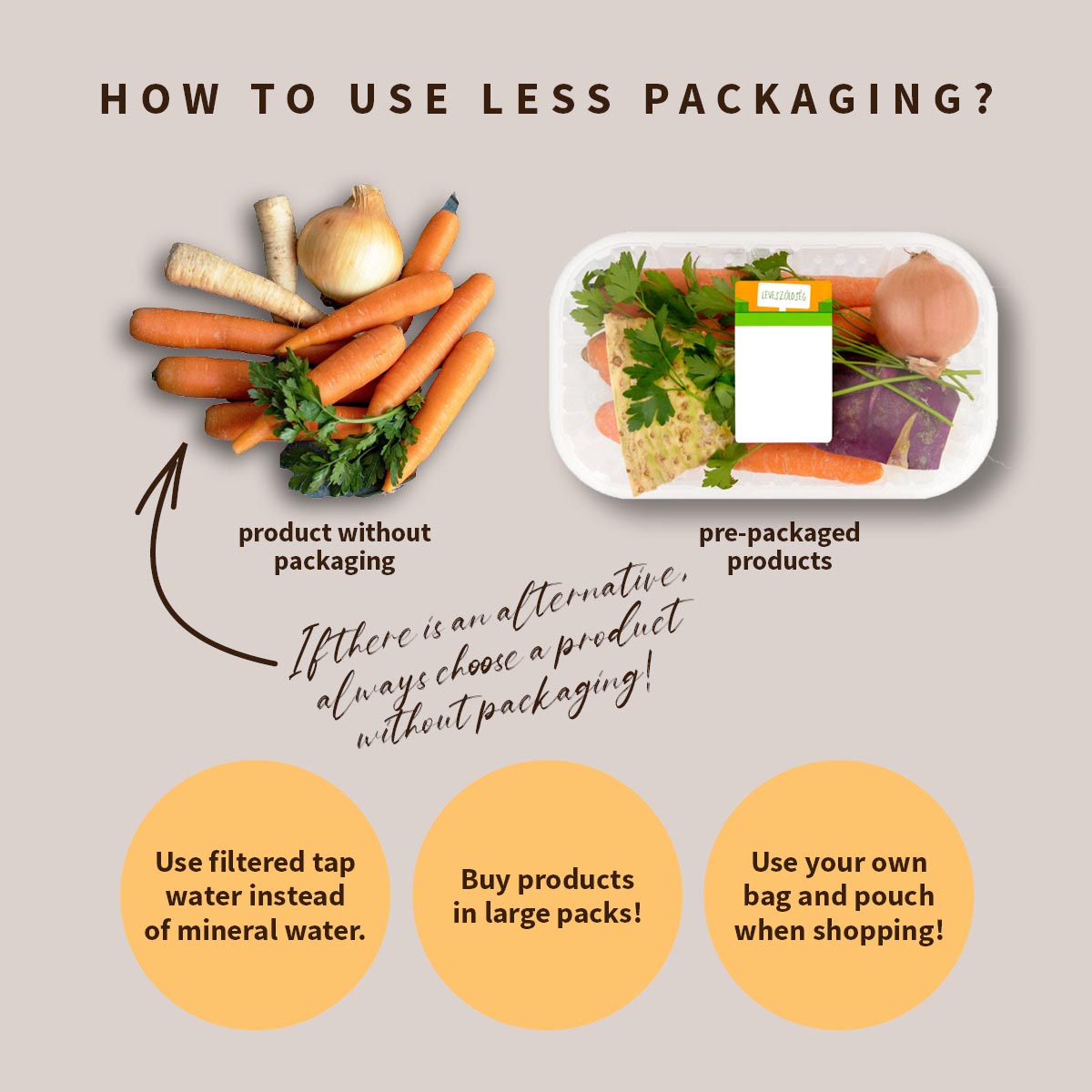
"Unfortunately, due to time constraints, we had to cut short the work of several pairs and cancel some interviews altogether. In any case, we still managed to consolidate the many sub-themes in the video, answering our research question. The results of our research show that we can all do more to reduce waste from snacking in a number of ways, including buying packaging-free products, buying larger pack sizes of food consciously where possible, or using water bottles or reusable packaging."
The Motivation Workshop is a community based mainly in the city of Szeged, working for a solidary, open, sustainable and just society. Its main goals are to support social dialogue, to break down prejudices, stereotypes and misconceptions about different social groups, to promote equal opportunities, to spread the idea of active citizenship and to promote environmentally conscious thinking and action. The organisation runs schools in Szeged and Balástya, where it supports the social integration of disadvantaged children and young people through motivation, empowerment and social awareness.
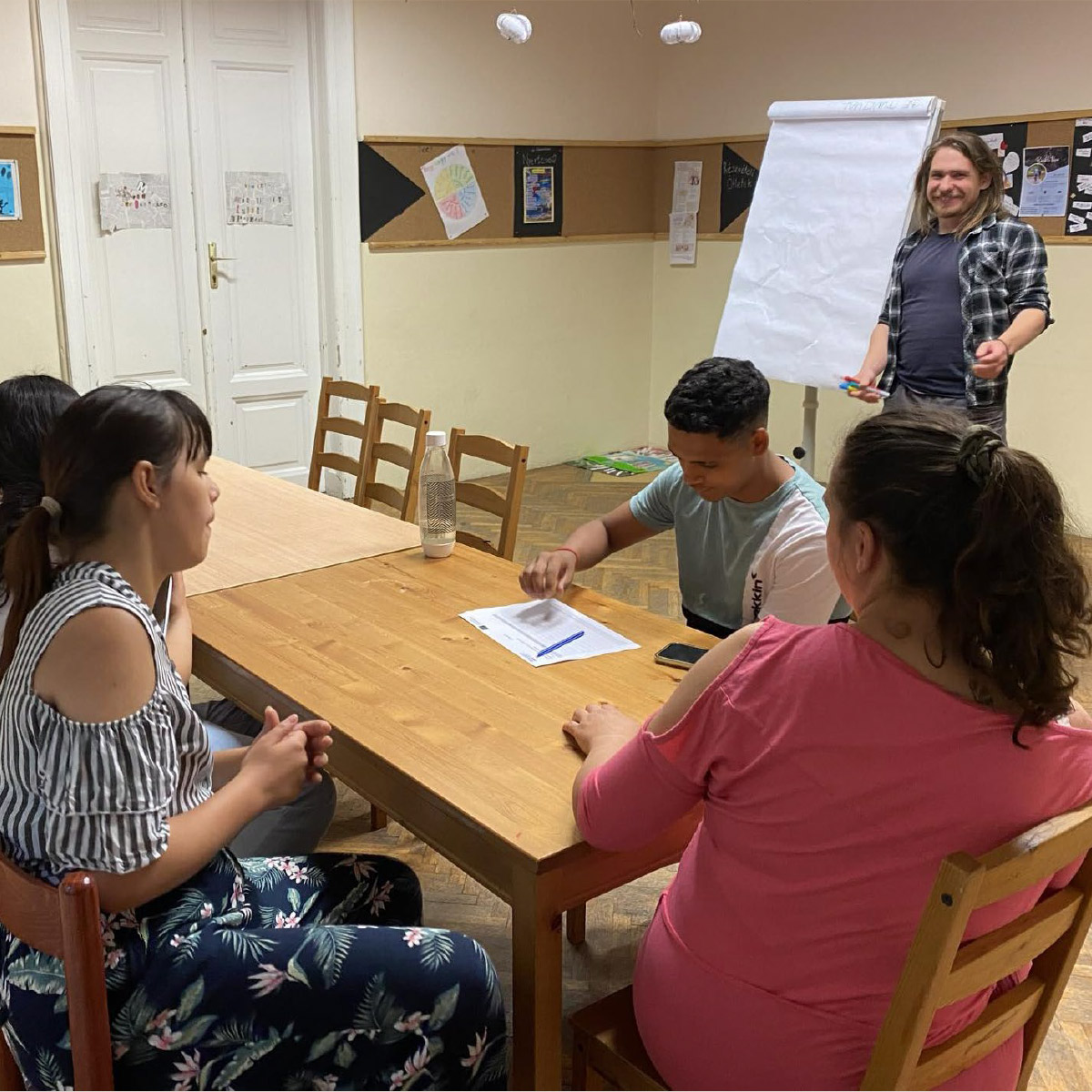

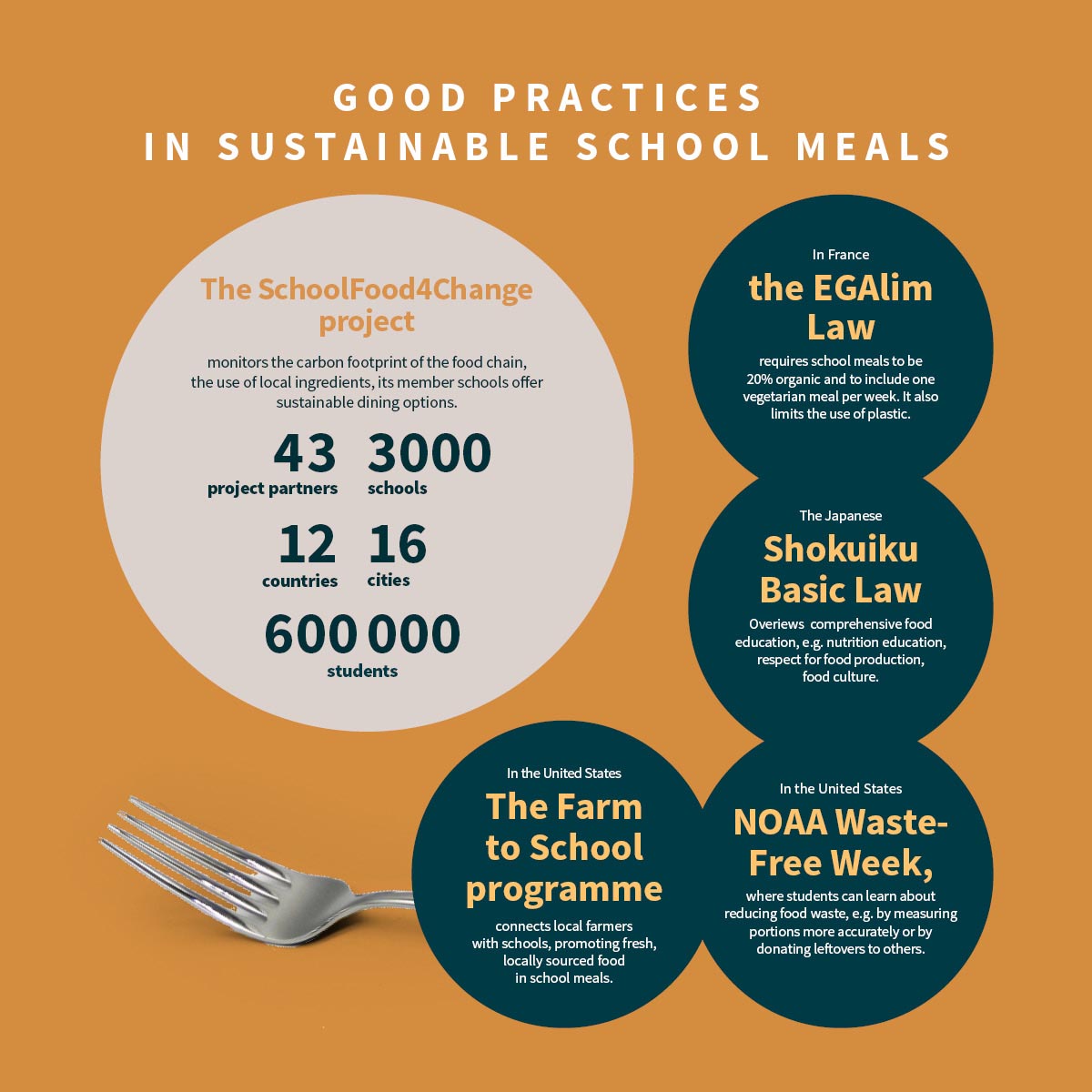
"In the very first session we opened up the topic of sustainability using the world café method. The group had 3x10 minutes to discuss the 3 segments of the topic of sustainable eating: school meals, food waste, healthy eating. The idea was to connect the group members through topics from everyday life and at the same time to map out what they know. School meals were later chosen as the focus of the research. It was decided to collect short interviews from their own environment and to aggregate the responses in the group. These were the questions they were looking for answers to:
Are sustainable and healthy the same thing?
What sustainable ingredients could the school use more?
What food would you like to see on the school menu?"
World Café description
The world café is a simple and flexible way to hold conversations on a wide variety of topics. It can be used to discuss different aspects of a topic. In the case of the Engame Academy group, 3 group leaders were present at the first session, each representing a topic related to sustainable food consumption. They were seated at separate tables and everyone in the group sat down at one table for a discussion, after which they moved on to the next table so that everyone could learn about all the topics. This was both a way to gain new knowledge and a way to connect with each other.
Engame Academy provides secondary school students with an alternative education programme that prepares them for a successful adulthood. It supports them in making informed career choices, developing the skills they need for their studies and careers, deepening their knowledge, gaining confidence in English and ultimately getting into the university of their dreams - at home or abroad.



Community research is, as the name suggests, a community experience. The research team is made of members of the community and they research things that have an impact on the life of the community. Community research is also known as citizen science, because the idea is that ordinary people - not trained scientists - step into the role of researcher or co-researcher.
In participatory research, the researchers are usually affected people, i.e. members of the group about which or for which the research is being conducted. It is also characterised by the active involvement of citizen researchers in shaping the research. In community research, neither of these is the norm, although both are common.
Community research, like all research, needs to be organised. If, as a youth worker or teacher, you set your mind to organising community research, it is good to plan in advance for the next steps.
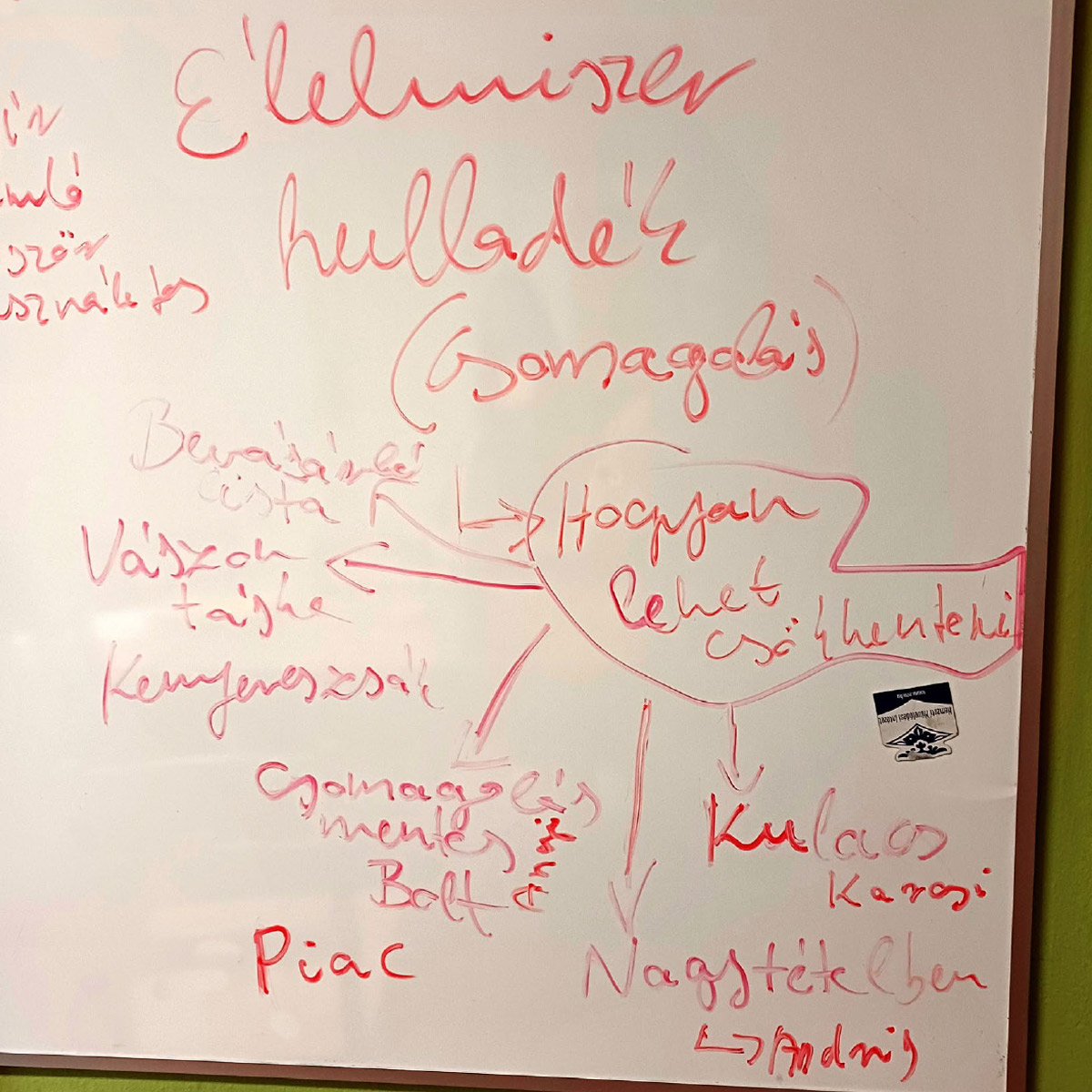
We need a theme!
You need to know what you are recruiting researchers for, what question you are interested in and why you think it is a topic that can or should be researched using the community research method.
We need a team!
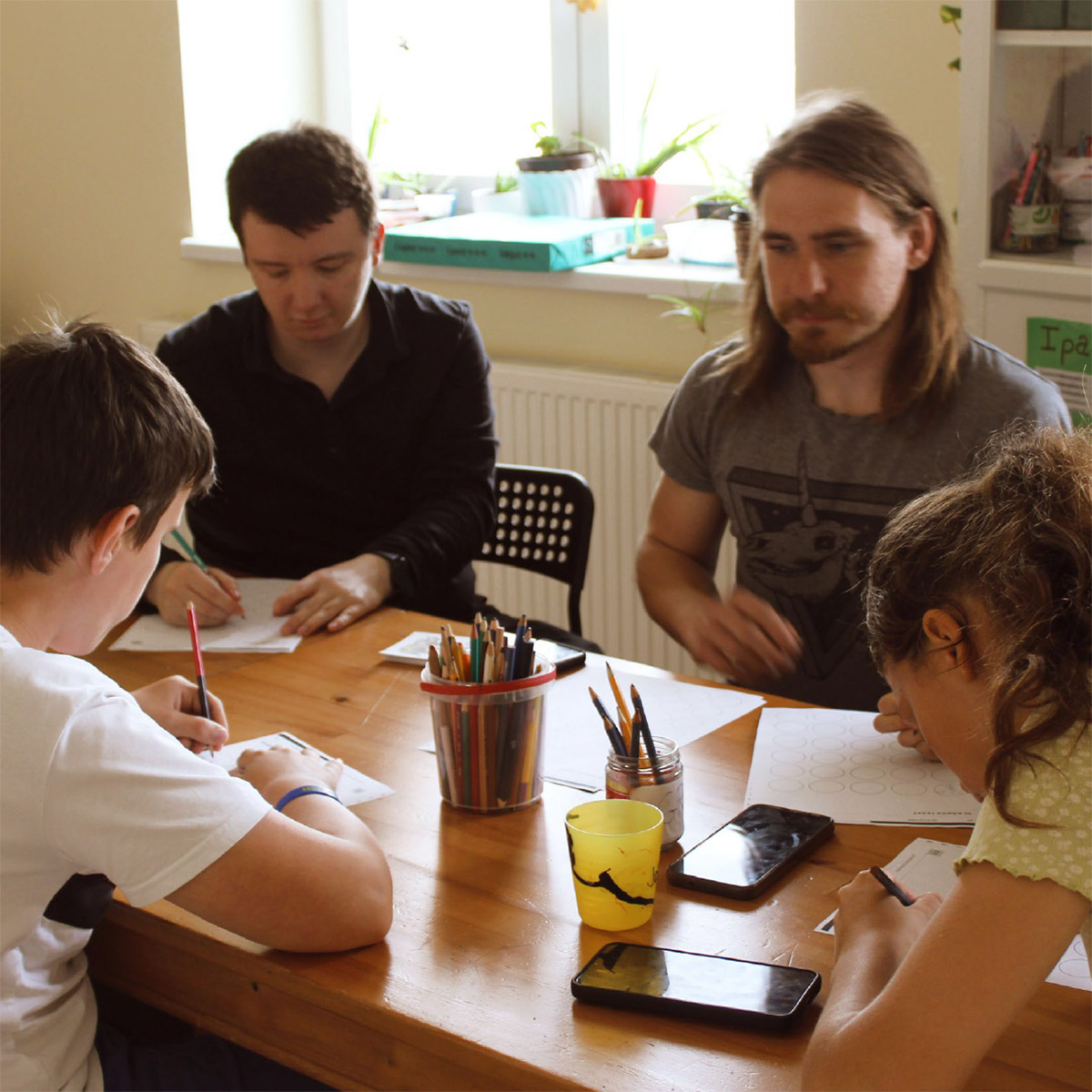
Figure out who your team will be, how you'll reach them, prepare recruitment materials, and then start recruiting. Decide in advance the maximum and minimum size of the team you'll be working with, and once you have the numbers you want, you can start building your team. Organise an introductory session for the research team to get to know each other and together you can create a comfortable environment for everyone. Part of the team building can also include getting to know the topic.
Find out more about the topic!
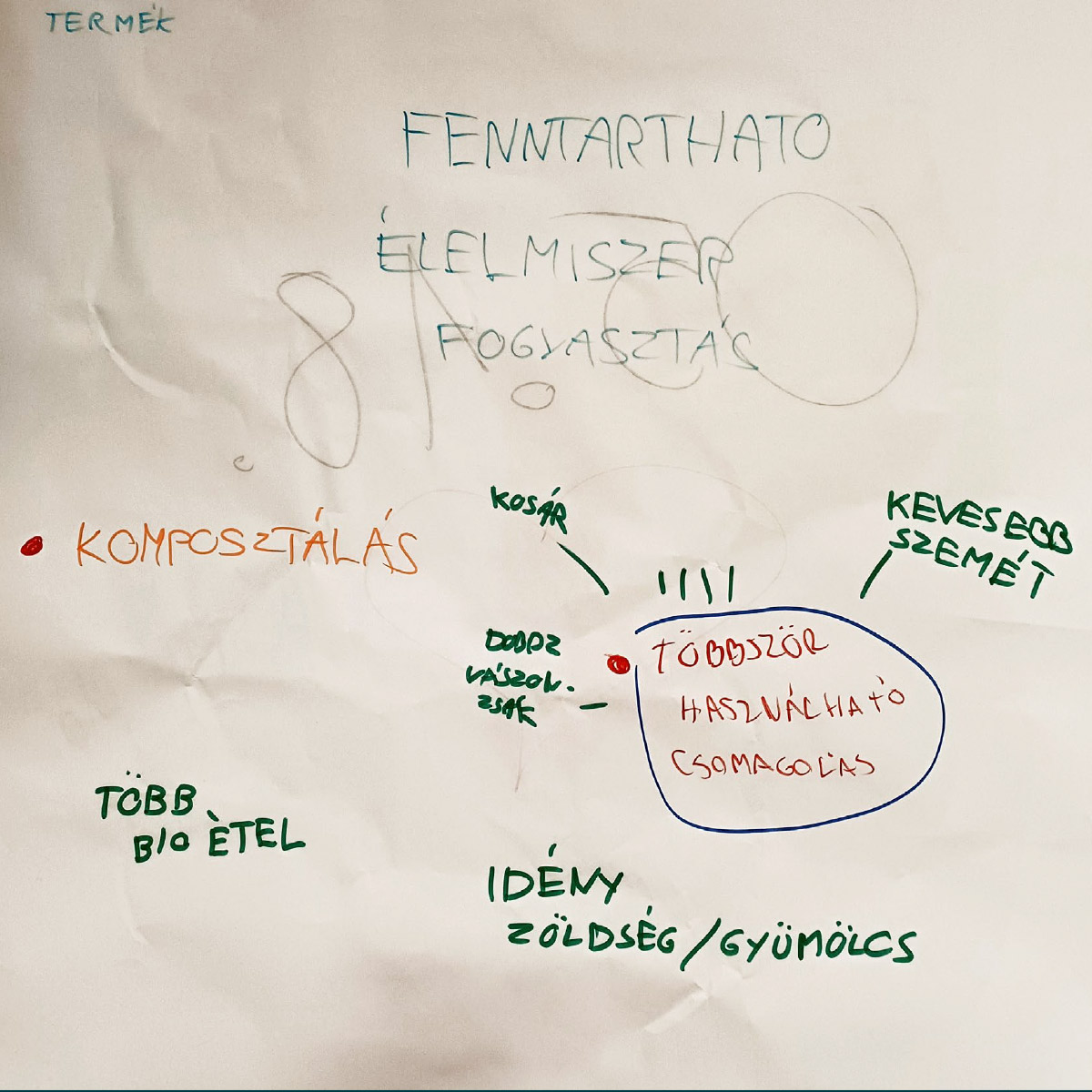
All research starts with background research. To avoid wasting time, it is good to know what knowledge others already have. In comparison, research can reveal new things. In a youth research project, it is unlikely that a comprehensive understanding of the topic would precede the research, but it is worth making the most basic knowledge the common ground. Background research may be the responsibility of the youth researchers, but to save time, it may be the research organizers who introduce the basics to the researchers.
We need a sub-theme!
Even if you know what you're going to research, it's good if the team has a say in what exactly you're researching. Each topic can be divided into almost infinite sub-topics. If the topic is urban transport, you can focus on pedestrian transport, underpasses or electric scooters, among countless other things.
We need a question!
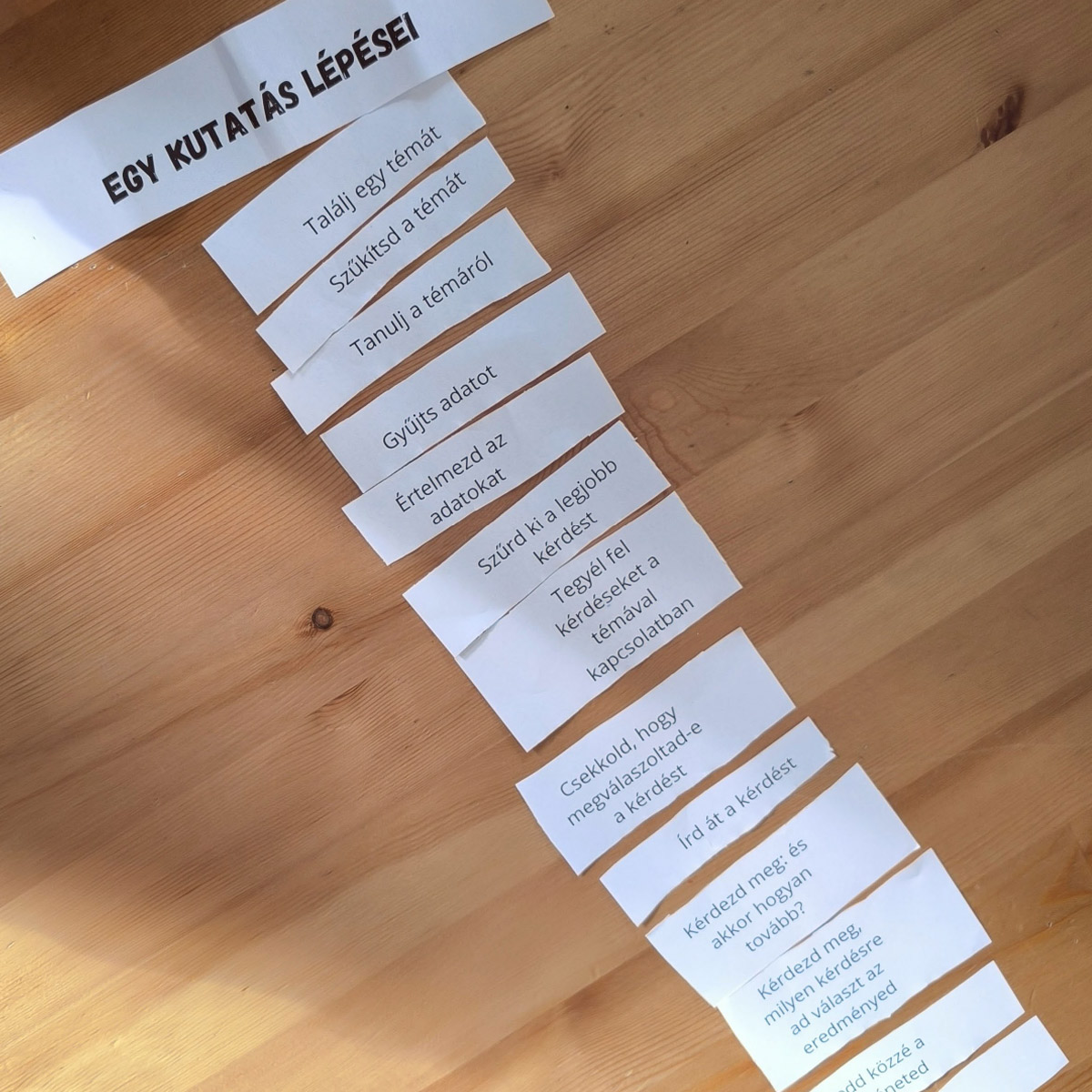
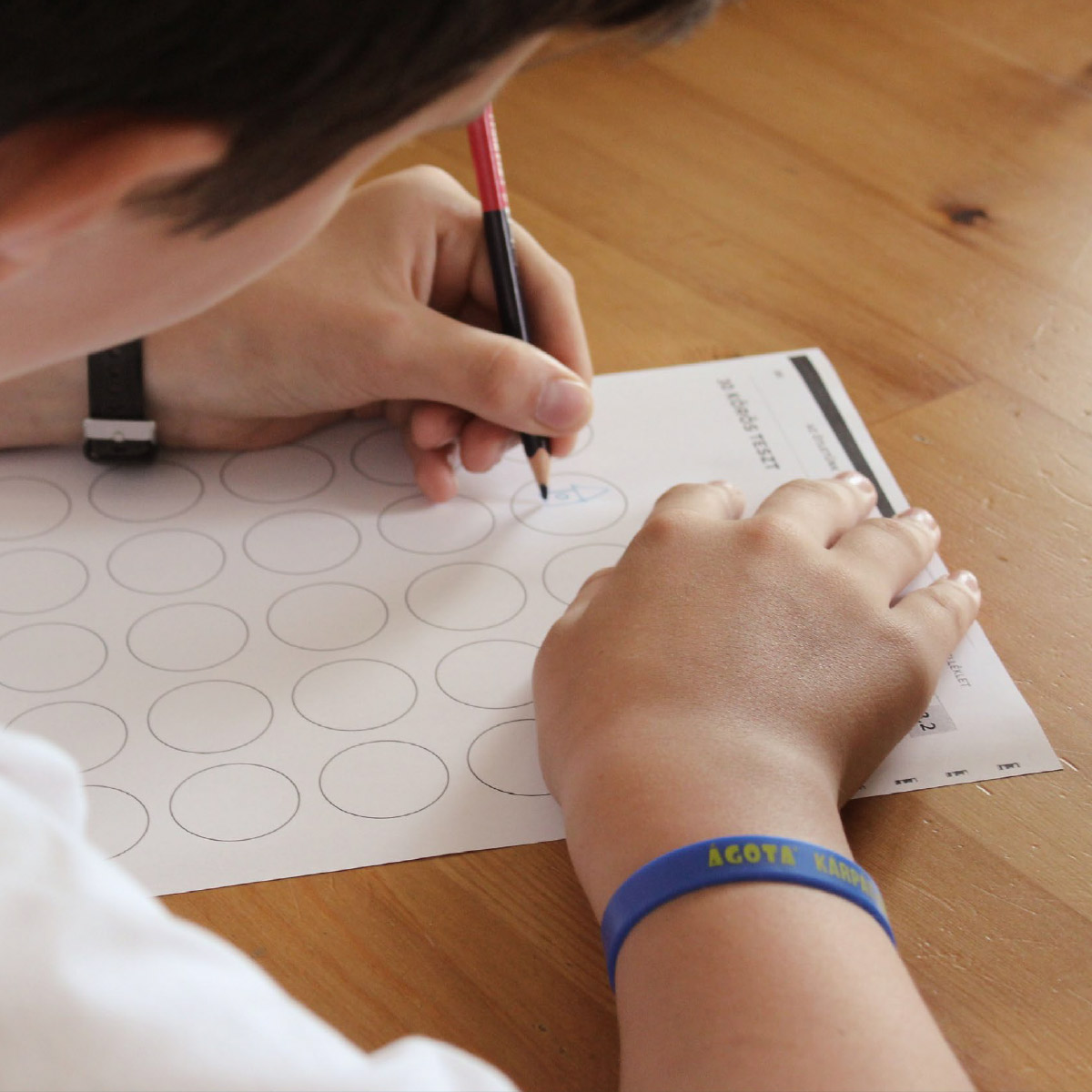
It may seem obvious that a research answer can only be given if it is preceded by a question. This is not always the case in practice. Often the exact question is only crystallised at the end of the research, as a lot of prior knowledge is needed to ask the right questions. Yet, one should not start research without a research question, because without orientation everything can seem equally important and so researchers can easily get lost in the details. Generate as many questions as you can with your team, based on the topic, and finally choose the most promising ones together!
We need data!
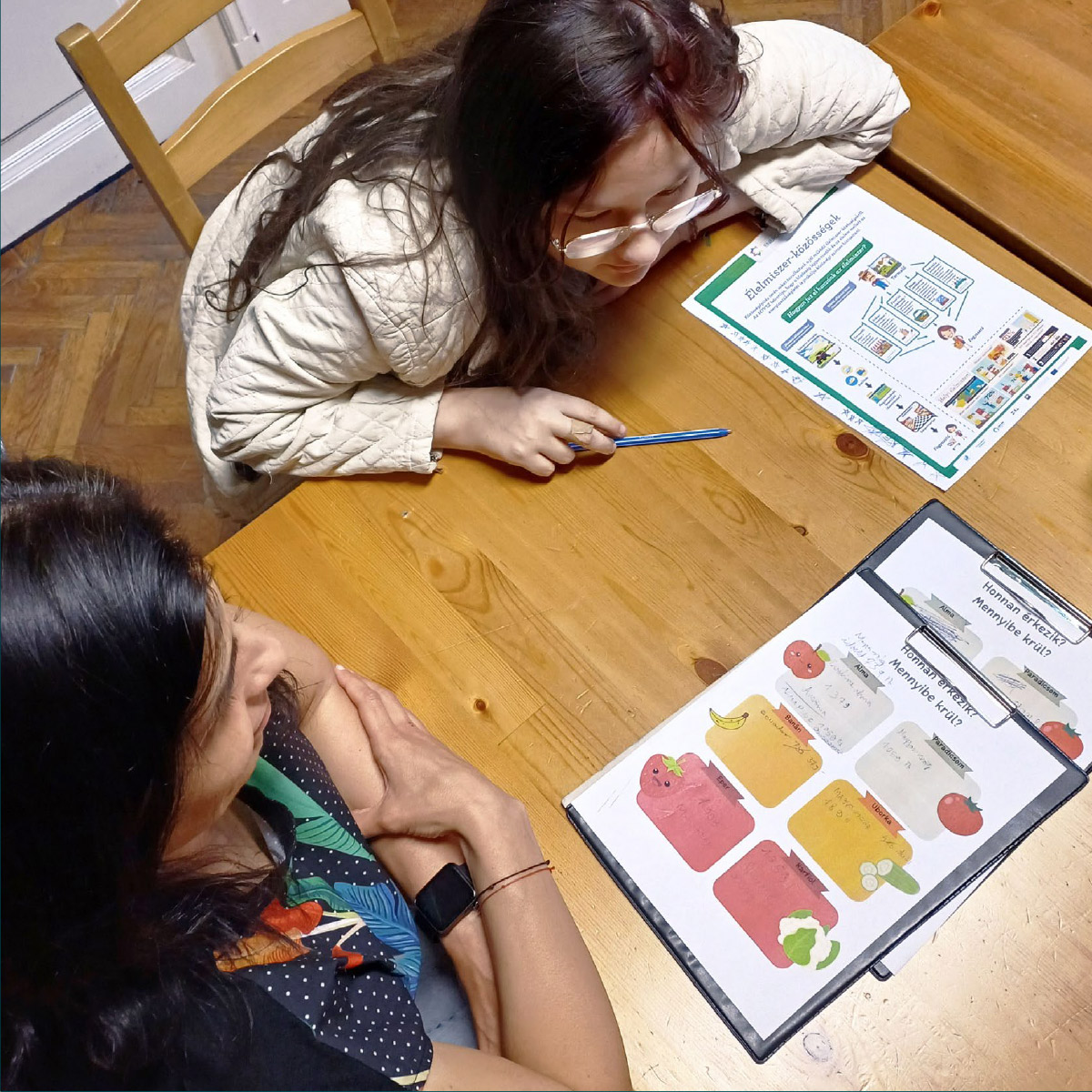
Most of the research is data collection. What is data? Well, that depends on the research question. Any information obtained is data in the hands of the researcher, which he or she will use in the analysis. There are well-established ways of collecting data, which we call methodology. In the social sciences, interviews, observation, diaries, surveys, mapping, or even drawing or theatre performances are important methods. Since you are working with untrained researchers, the method you want to use must first be taught to the researchers. If you are not sure yourself, get experts involved!
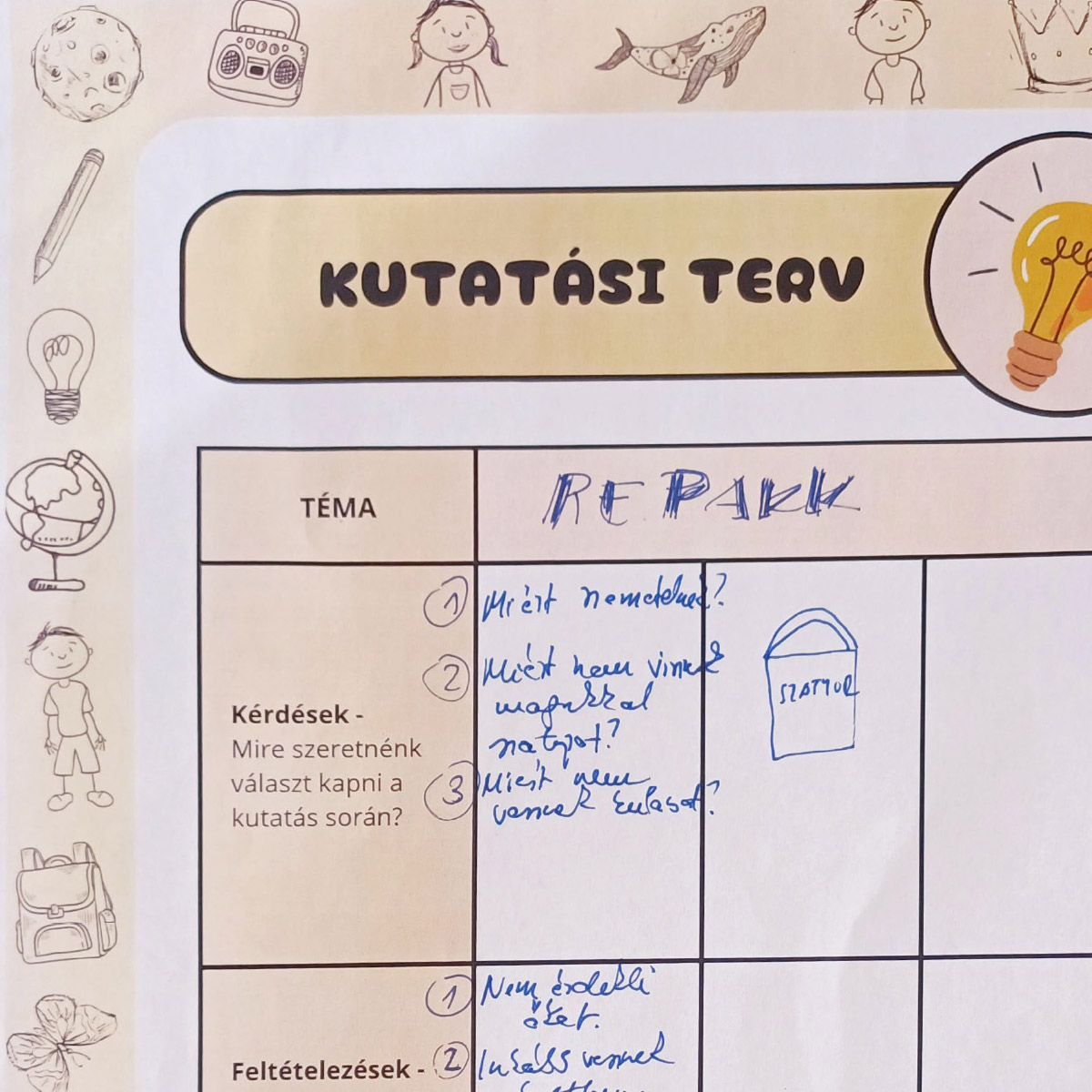
Find out what the data means!
Data can be interesting on its own, but in research it gains its real meaning when it is analysed. This may seem a bit scary, reminiscent of alchemy, when we extract a noble analysis from the rough facts, but in reality we only have to ask ourselves: what does it all mean? And above all: what does it say about what? The facts will be put together into a coherent story by connecting the dots, finding connections between them, arranging individual things into patterns, and then generalising from the patterns. It's like building a castle out of Lego.
Explain why this is important!
Not all stories are equally interesting. Research has been really useful if we can articulate what the story it highlights is important to whom, and in what way. In the social sciences, the pure insight is not usually the end goal. The result of the research not only answers the question of what is, but also, what should be, or why things are not as they should be, or what needs to change to make them better. Research can point to the direction of desirable change.
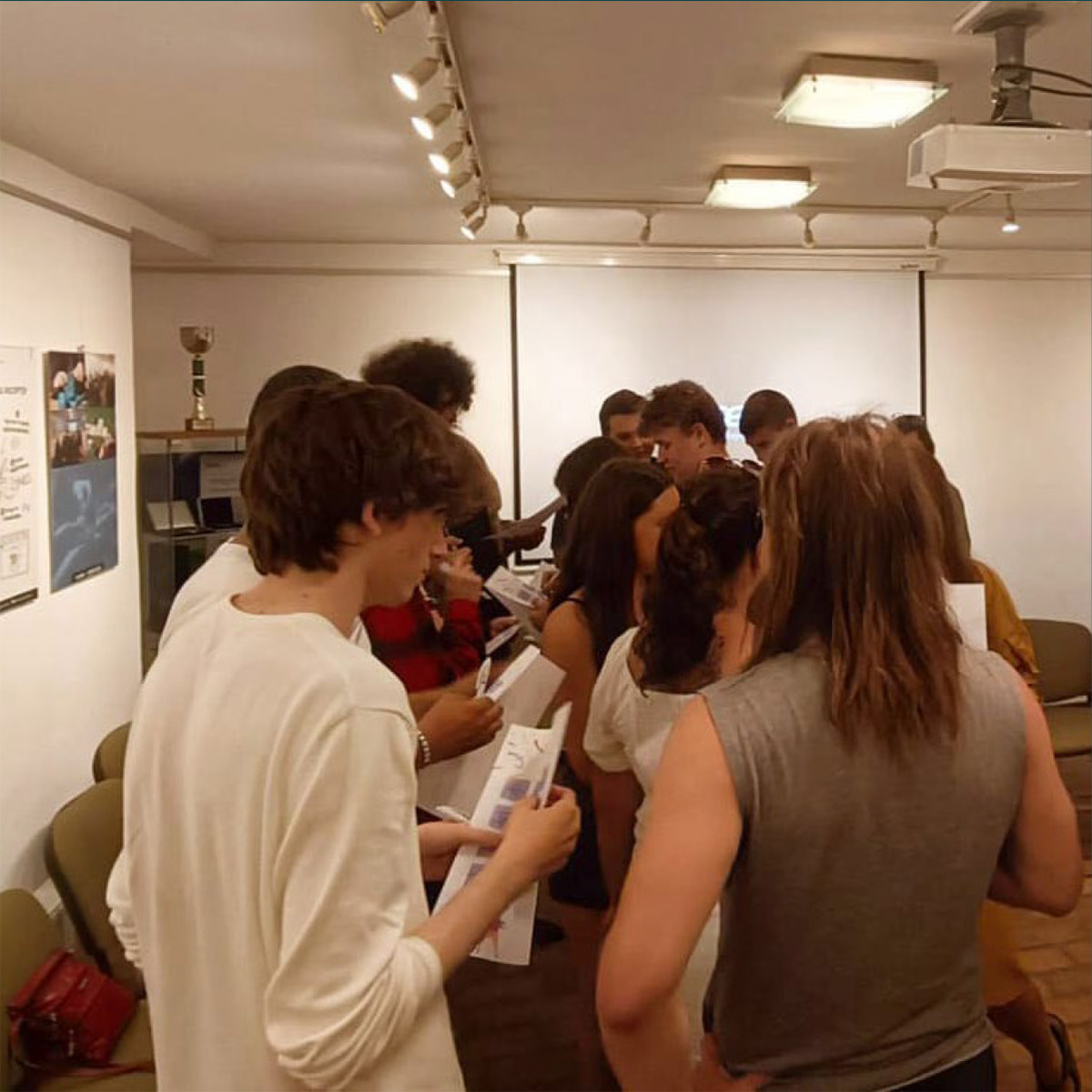
Share your knowledge with others!
If we already know what phenomena, processes, interactions, models and relationships the research has uncovered, why it is important and what type of change is desirable, we certainly don't want to keep this knowledge to ourselves. However, the knowledge acquired cannot be transferred as it is. It needs to be translated into written text, a picture, a theatre performance or a workshop - depending on what we want to say and to whom.
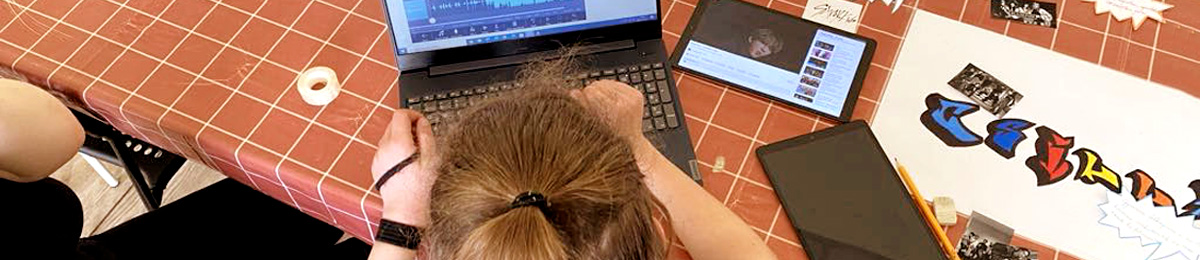
In participatory filming, a group of people make a film together on a topic that is important to them, playing the roles of director, cinematographer, actors, etc. In addition to storytelling, this method is also suitable for research, as filming can be seen as an audiovisual data collection, and during editing the footage can be arranged, creating new connections and links between them.
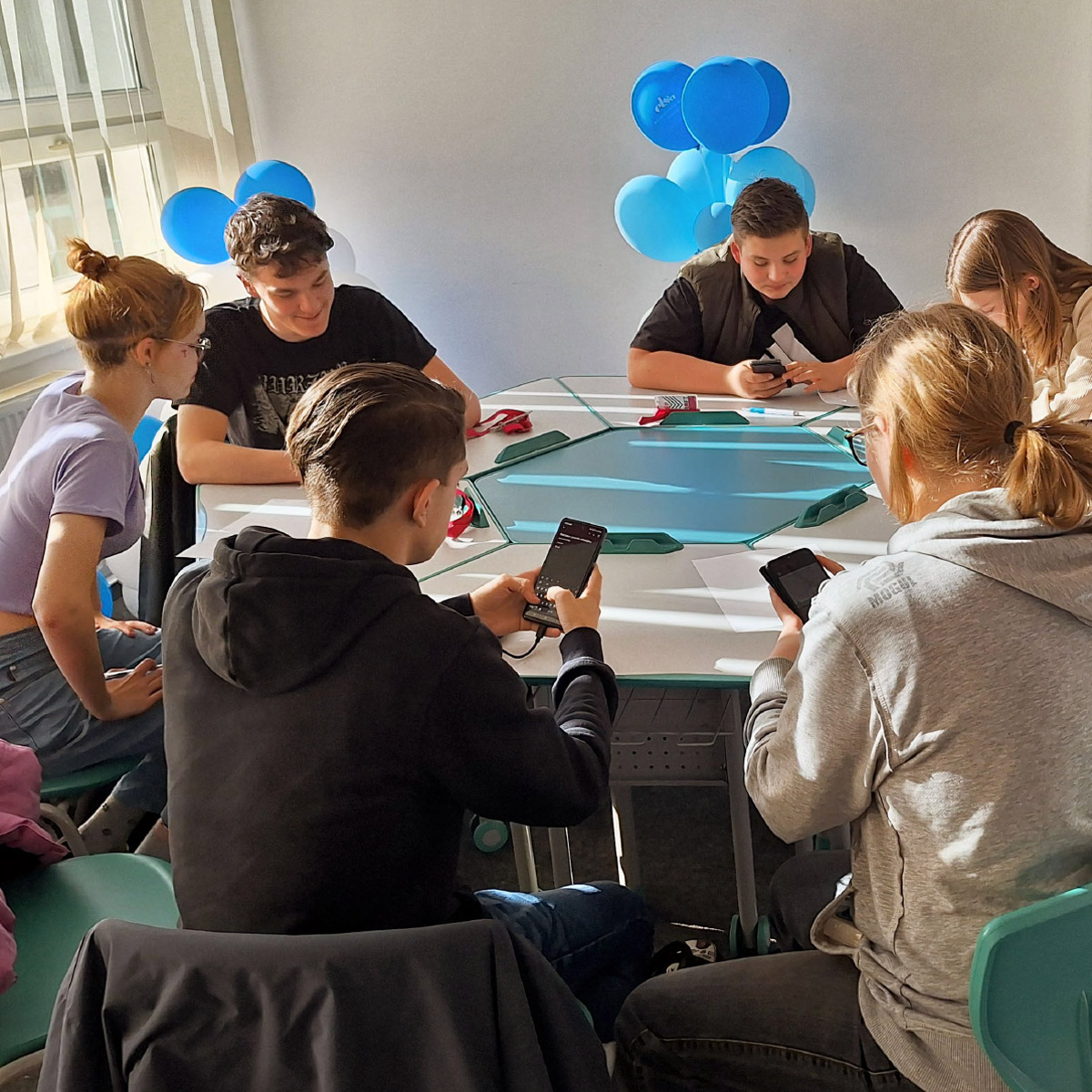
Preparation and design
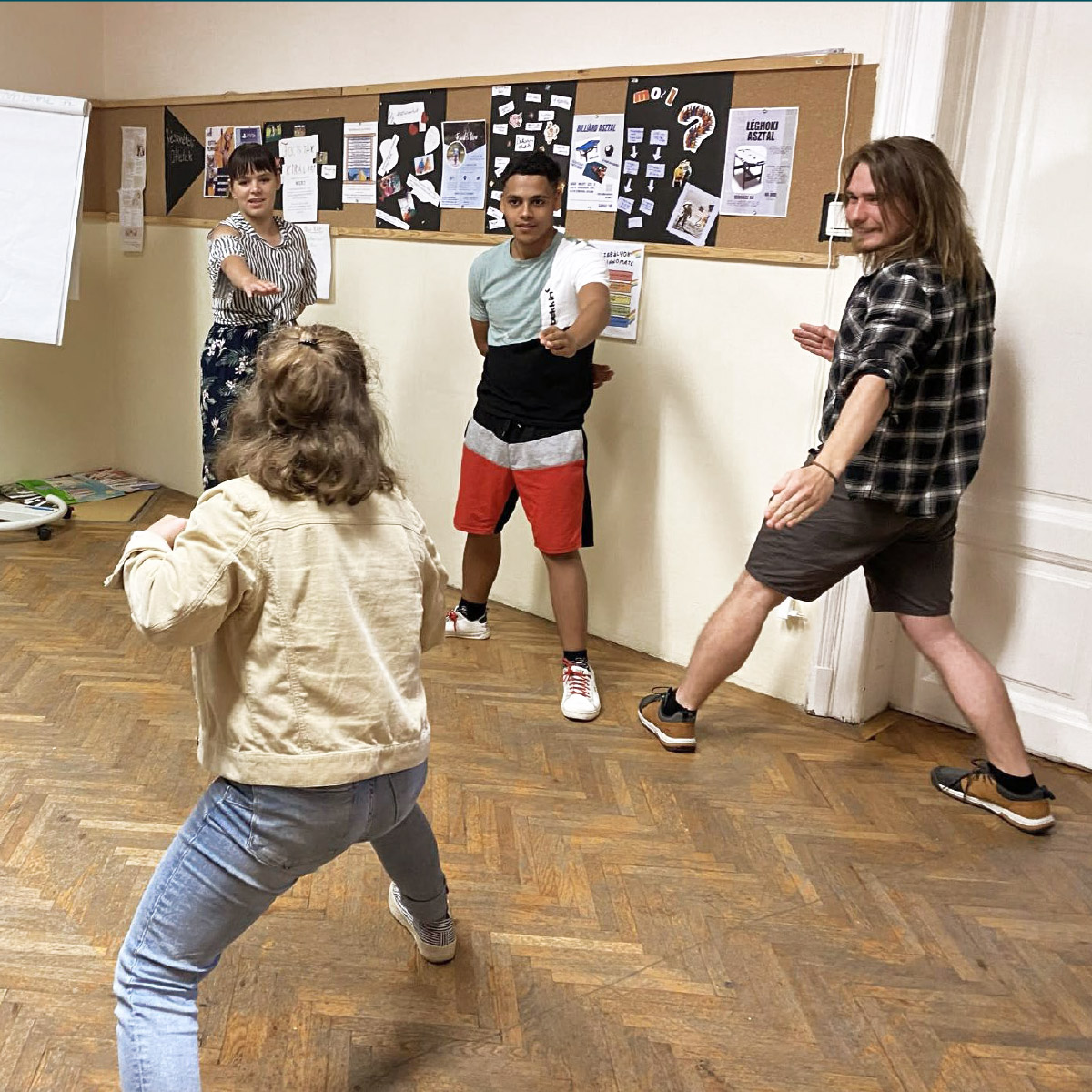
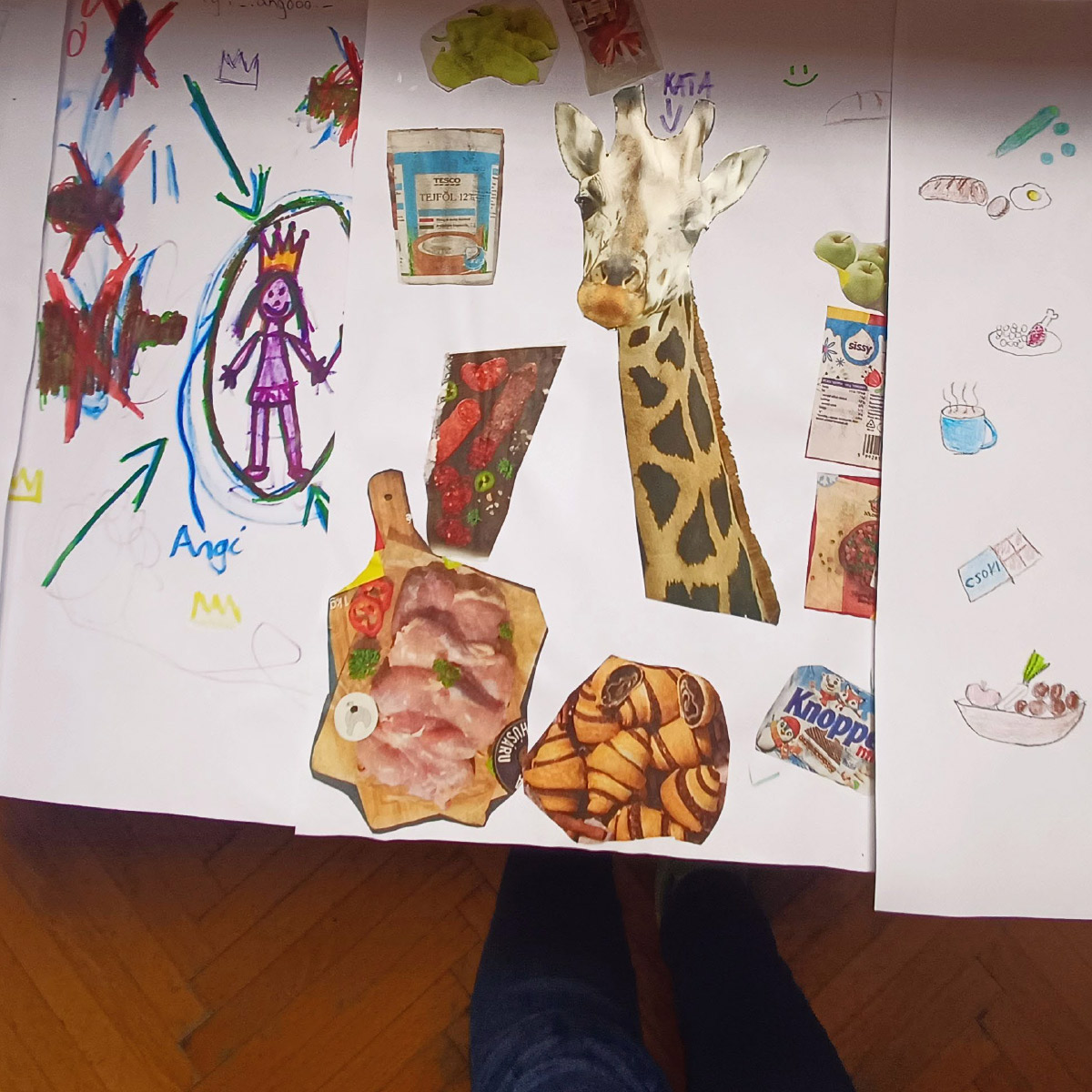
First of all, find out what you are interested in and what the film can do for you. Do you want to present a problem, or maybe do some interviews? You can combine the search for a theme with simple visual games to stimulate creativity and get you in the mood for filmmaking (see our example below). Once you have a theme, plan where to shoot it, what you need. Don't forget to divide up the roles: who will shoot a scene, who will be the interviewer (if you're interviewing), who will be responsible for props, for example.
Filming and post production
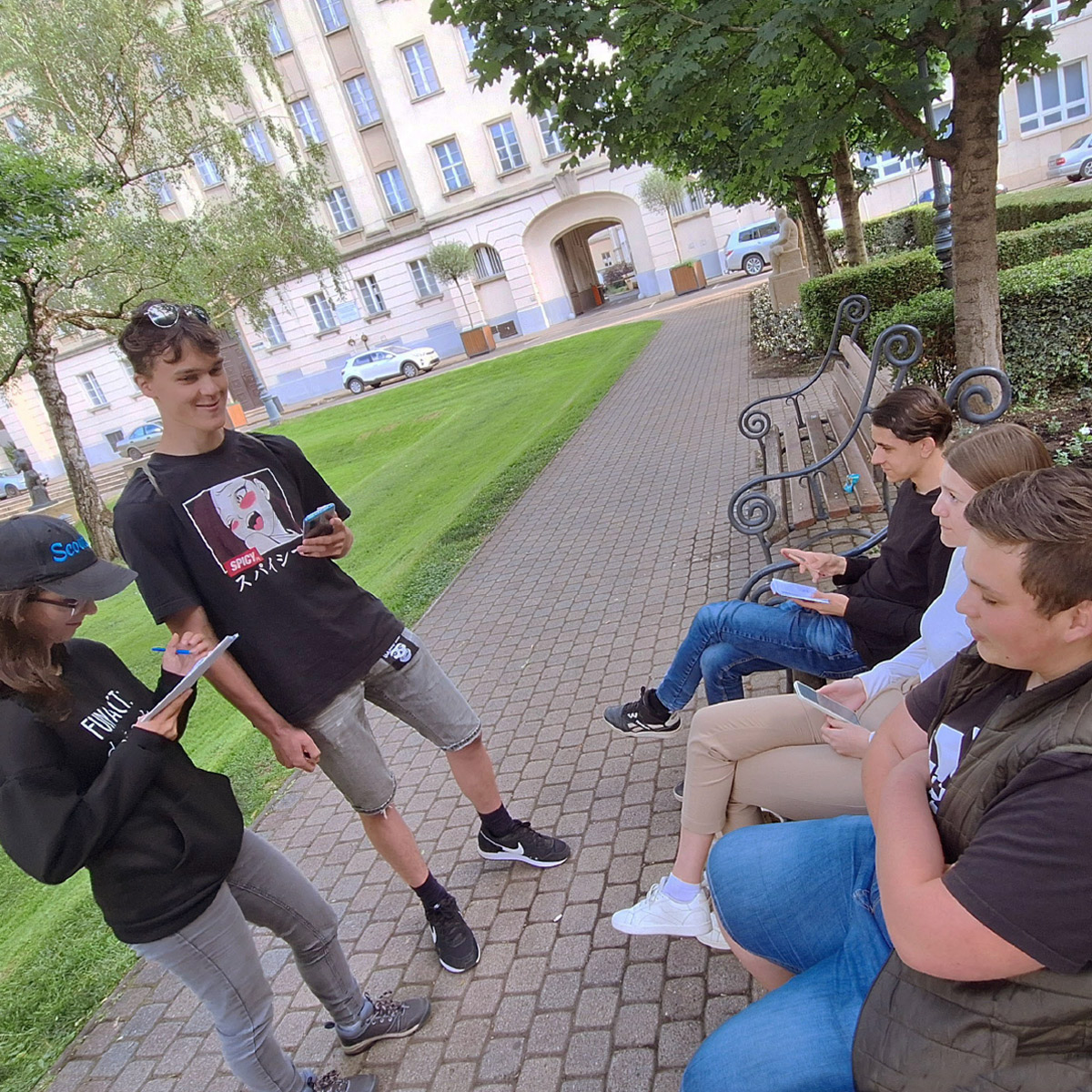
These two phases are mentioned together here because they can alternate several times in the process: you watch the footage you shoot, and often the footage will give you a direction as to what the next step might be! There are many free apps available for editing now, and it's worth editing continuously throughout your shoots, rather than waiting until you have a lot of footage accumulating. Get clear on which shoots should go into the final piece, do you need music or subtitles anywhere, will there be narration?
Presentation and closing
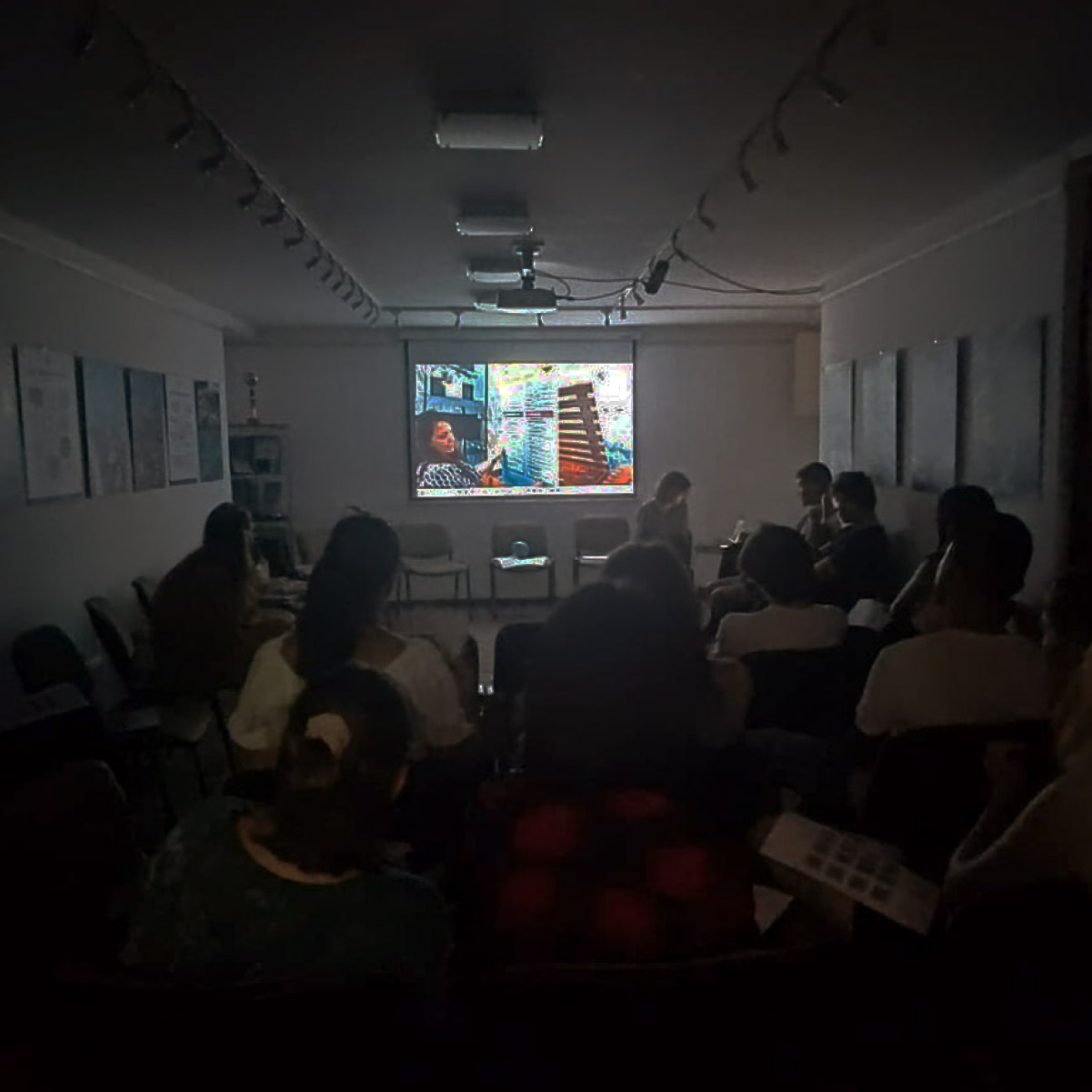
When your film is finished, show it to a wider audience (e.g. friends, family). This will give you valuable feedback if others understand it or not in the same way as you do. If the topic warrants it, screen it for groups in similar situations and discuss with them how they relate to the topic. These films are great initiators for discussions and even decisions.
Finally, wrap up the process by evaluating what everyone learned and what they liked about filmmaking. Remember that in collaborative filmmaking, it is not the aesthetic quality of the work that is important, but the experience of creating it and the change that has taken place in the group.
Introductory exercise for youth professionals
Suggest topics for the group to observe (e.g. littering, history on buildings). In small groups, take 30-60 second recordings with phones and watch them back. Find out what the chosen topics might have been, discuss why, and perhaps why they could not be presented - these can also provide useful lessons for future shootings. Think about what could be added to these themes if you want to unpack them. From here you could even start collecting material for a research project...

Based on our experience, we've put together six things to look out for if you're thinking of starting a video-based community research project like Foodies. Such a process can be very rewarding for group leaders and young people alike, but it can also be challenging. The following points can help to prevent and manage these.
Areas of interest
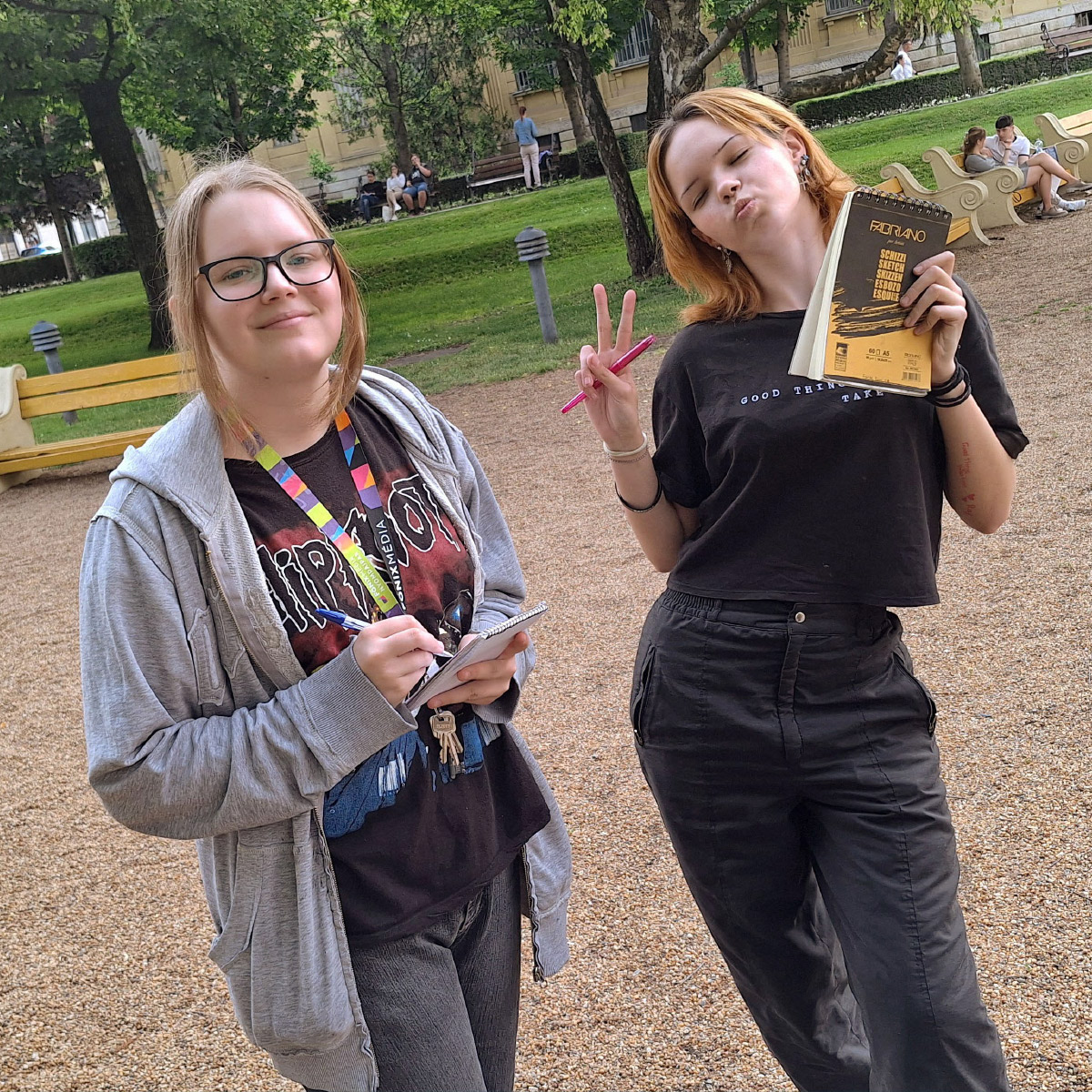
Be aware of what the young people you want to research with are interested in. If the central theme is close to their hearts, they are more likely to participate in the process. It is therefore worth making it clear to them how your topic relates to their everyday lives.
Objective
It is important that young people understand why the research is relevant, what you expect to achieve and what impact their work can have on themselves and others. Film is also a good tool in this respect because it has a visual impact. This usually becomes clear when you watch the first footage back, and so helps you to visualise the purpose.
Methodology
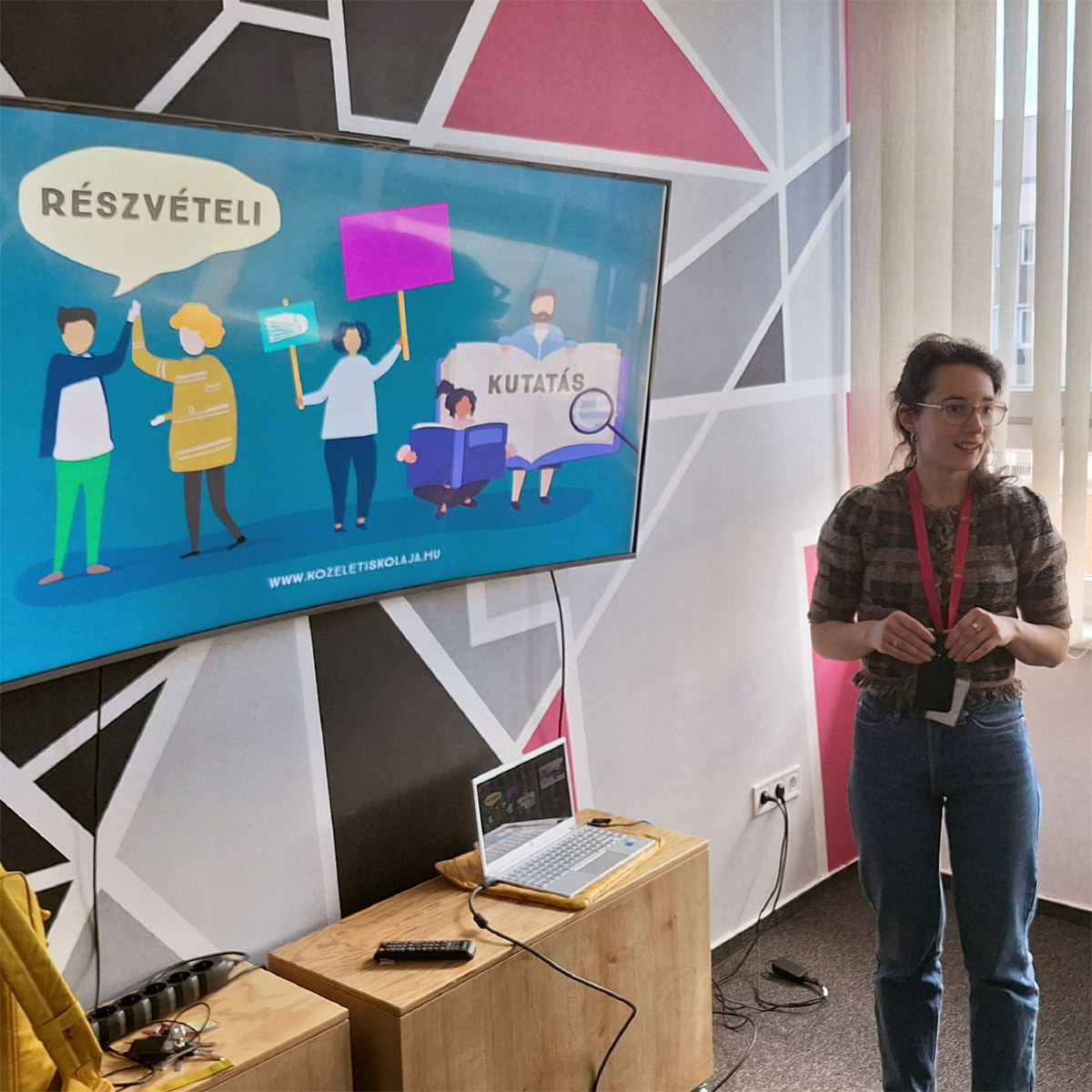
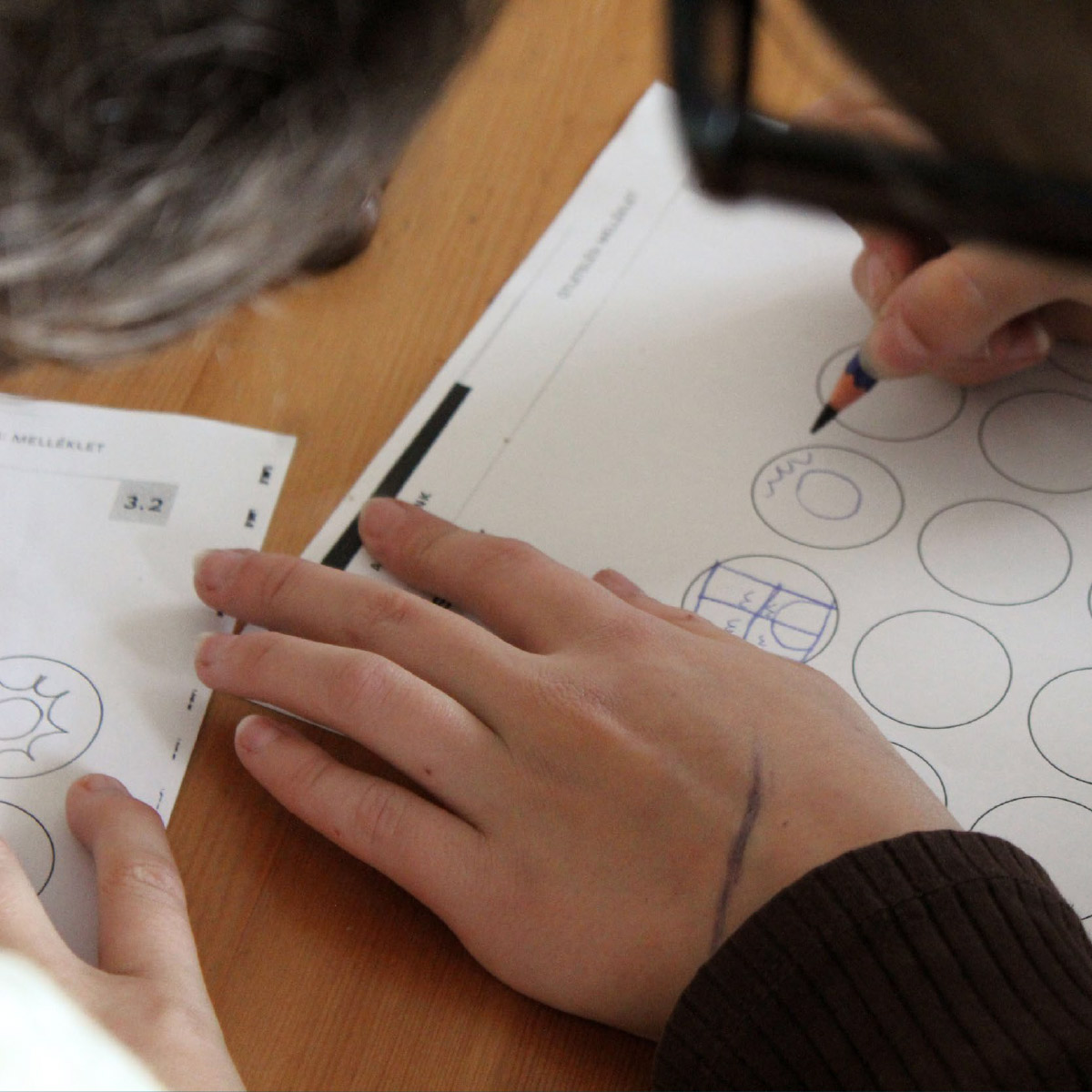
Use age-appropriate methods and tools. Community research is age-neutral, and everyone loves to play - so it's a good way to start. It is more likely to lead to a sense of achievement if the research, and therefore the learning, becomes a joyful discovery.
Joint decisions
Consider young people as partners in research. Don't try to get them to implement an idea of their own, but make sure you involve them in the planning and decision-making. If they have a real opportunity to shape the research, they will be more engaged and motivated.
Motivation
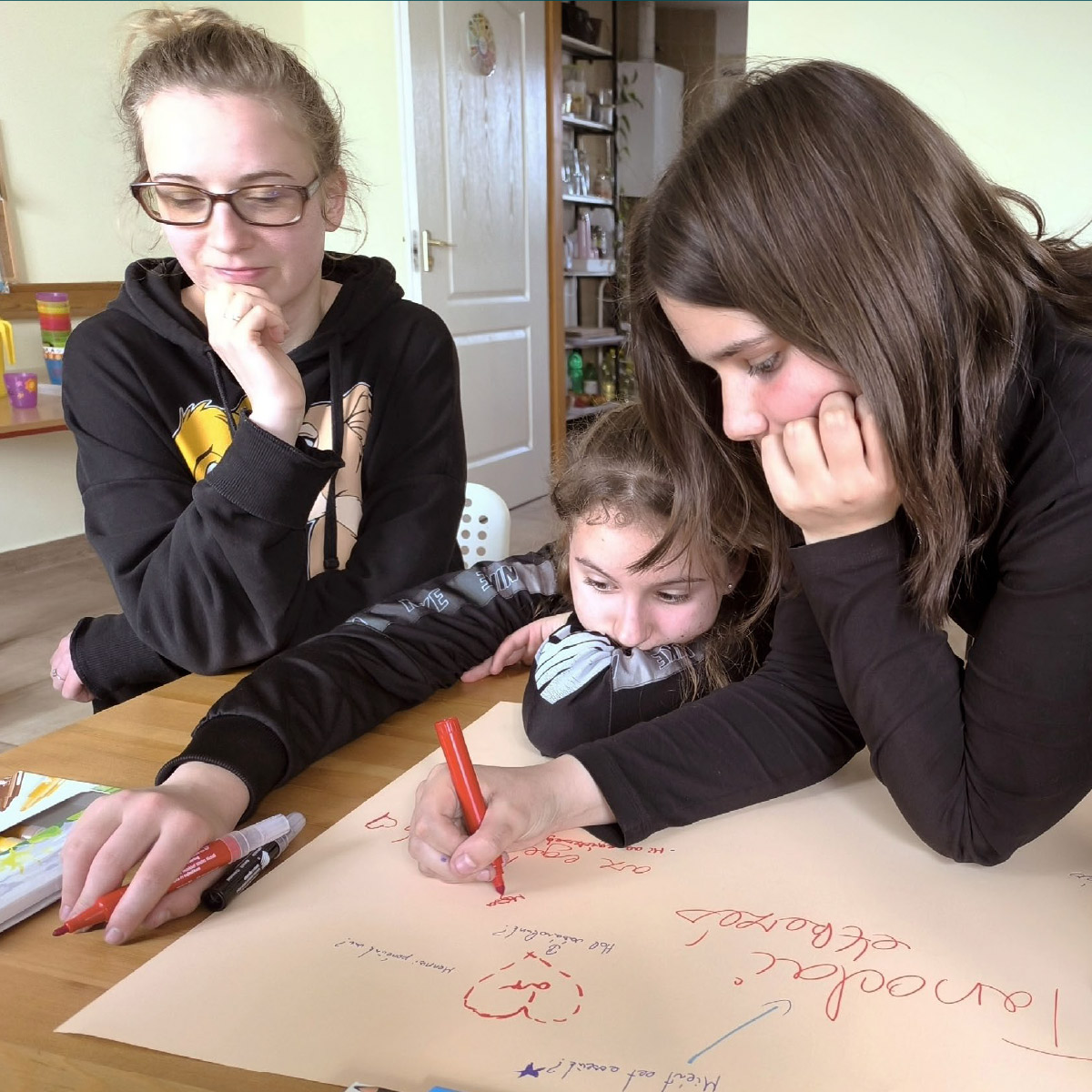
Watch how the motivation of the group changes. You can't expect everyone to stay enthusiastic all the time, but you can maintain interest by asking for and giving regular feedback, and by setting small goals together that give you a sense of achievement throughout the process.
Flexibility
You cannot and should not be prepared for everything that can happen in a research project. Be open to change and ready to change direction if necessary. It is a process of learning and creating together, where experience is more important than results.